If you’re experiencing pain radiating down both legs, you may be facing more than standard sciatica. Bilateral sciatica occurs when the sciatic nerves on both sides become compressed or irritated, often signaling a deeper spinal issue. If you need sciatica treatment in Indiana, it’s important to turn to specialists who blend neurosurgical expertise with compassionate, patient-focused care.
What Is Bilateral Sciatica?
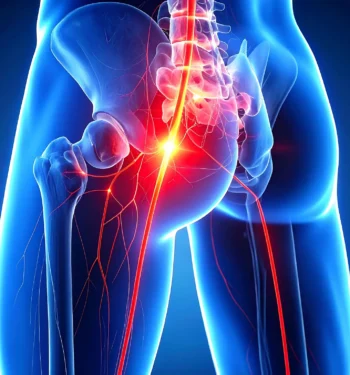
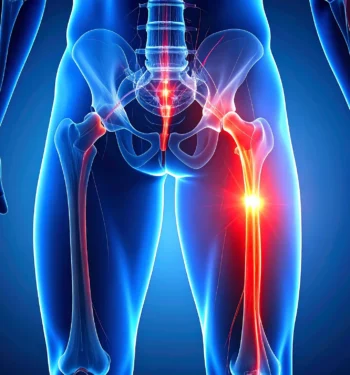
Bilateral sciatica occurs when the sciatic nerve on both sides of the body is affected, causing bilateral sciatic pain that travels from the lower back through the buttocks and down each leg. This form of sciatica pain is typically linked to compression or irritation of the nerve roots near the spinal cord, disrupting normal pain signals and often leading to increased weakness, numbness, or mobility issues compared to one-sided symptoms. Because bilateral sciatica can indicate a more complex underlying condition, an accurate diagnosis is essential to guide effective treatments bilateral sciatica and long-term relief.
How Does Bilateral Sciatica Differ From Regular Sciatica?
Standard sciatica usually results from a herniated disc, bone spur, or narrowing of the spinal canal on one side. Bilateral sciatica, however, indicates compression on both nerve roots, often from lumbar spinal stenosis or spondylolisthesis. Because pain occurs in both legs, symptoms should be taken seriously, and a medical evaluation should be sought promptly. In applicable cases, early spinal stenosis treatment can help prevent worsening compression and preserve nerve function.
What Causes Bilateral Sciatica?
Bilateral sciatica causes include the following:
- Lumbar spinal stenosis – Narrowing of the spinal canal that places pressure on both sciatic nerves.
- Herniated disc – A bulging or ruptured disc that compresses nerves bilaterally.
- Spondylolisthesis – When one vertebra slips forward over another, affecting both sides of the spine.
- Degenerative disc disease – Age-related disc changes that reduce cushioning between vertebrae.
- Trauma or tumor – In rare cases, direct injury or a spinal growth can lead to compression on both nerves.
What Is Cauda Equina Syndrome and Why Is It an Emergency?
While bilateral sciatica often stems from spinal conditions, in rare cases, it may indicate cauda equina syndrome, a medical emergency caused by severe compression of the spinal nerves at the base of the spine. Symptoms may include loss of bladder or bowel control, severe numbness in the inner thighs or groin, and sudden weakness in both legs. If you experience these signs, seek emergency care immediately.
What Are the Symptoms of Bilateral Sciatica?
Bilateral sciatica symptoms may vary in intensity but typically include:
- Sharp, burning, or shooting pain down both legs
- Tingling or numbness in the legs or feet
- Muscle weakness, especially when standing or walking
- Increased pain after sitting or bending
- Reduced range of motion in the lower back
Because sciatica in both legs can indicate serious spinal compression, early evaluation is key to preventing long-term nerve damage.
When Should I Seek Immediate Medical Care for Bilateral Sciatica?
You should promptly contact a specialist if you experience sciatic nerve pain in both legs that lasts more than a few days, worsens over time, or is accompanied by bladder or bowel changes. Timely diagnosis can make a significant difference in recovery and in preventing complications from conditions such as cauda equina syndrome. Neurosurgeons for sciatica can provide advanced insight into your condition and guide you toward the safest, most effective treatment plan.
How Is Bilateral Sciatica Diagnosed?
Neurosurgeons and interventional pain management specialists can use advanced imaging to pinpoint the source of your pain. Getting an accurate diagnosis may involve:
• Physical exams to assess strength and reflexes
• MRI or CT scans to view nerve compression or herniated discs
• Electrodiagnostic testing to evaluate nerve function
Through neurosurgical expertise, you can get precise identification of complex nerve issues and personalized treatment planning.
What Are the Treatment Options for Bilateral Sciatica in Indiana?
Goodman Campbell’s bilateral sciatica treatment options range from conservative to surgical care, tailored to each patient’s diagnosis and the severity of their issue. We offer comprehensive sciatica treatment in Indiana, combining state-of-the-art techniques, specialists at every level of care, and a multidisciplinary approach to your healing.
What Conservative Treatments Are Available for Bilateral Sciatica?
Nonsurgical options may include:
- Physical therapy to improve flexibility, core strength, and posture
- Epidural steroid injections to reduce inflammation and relieve nerve pain
- Over-the-counter or prescription medications
These therapies often provide relief for mild to moderate symptoms, especially when paired with lifestyle modifications and guided exercise.
When Is Surgery Necessary for Bilateral Sciatica?
If conservative methods fail or nerve compression is severe, surgery may be recommended. Fellowship-trained neurosurgeons at Goodman Campbell specialize in microdiscectomy, a minimally invasive procedure that removes herniated disc material and relieves pressure on nerves. For spinal stenosis or spondylolisthesis, we may perform decompression or stabilization procedures to restore mobility and function.
Why Choose Goodman Campbell for Bilateral Sciatica Care?
At Goodman Campbell, we’re more than a clinic. We’re a global leader in neurosurgery and spine care, serving as a center of clinical research and neurosurgery training in the United States. Our team treats both simple and complex spine conditions using evidence-based methods supported by extensive outcomes data.
We provide direct access for patients and referring physicians, with easy scheduling for evaluations and procedures. Whether you need conservative care or advanced surgery, our team delivers expert, compassionate support.
If you’re experiencing bilateral sciatica, don’t wait. Contact Goodman Campbell to schedule an appointment with a neurosurgeon for sciatica and take the first step toward lasting relief.