What Is Sciatica Pain?
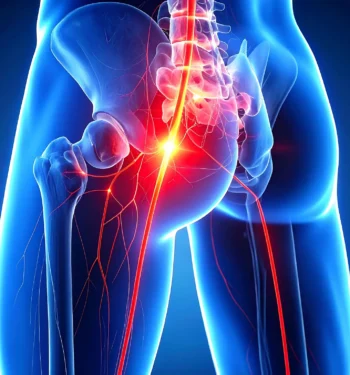
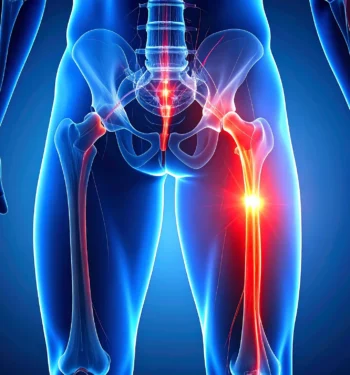
Sciatica pain can be a challenging and sometimes overwhelming experience, affecting countless individuals and their families. This discomfort stems from irritation or compression of the sciatic nerve — the longest and widest nerve in the human body, running from the lumbar spine through the hips and down each leg. Whether it’s a sudden episode or an ongoing struggle, back pain arising from sciatica can disrupt day-to-day life, making even simple activities daunting.
Definition of Sciatica and Sciatic Nerve
Sciatica refers to sciatic pain that radiates along the path of the sciatic nerve. This vital nerve branches from the lumbar spine, weaving through the hips, buttocks, and down each leg. The pain caused by sciatica typically arises when this nerve is pinched or compressed, often due to a herniated disc, bone spur, or spinal stenosis — conditions that place pressure on the nerve roots within the spinal canal.
Common Symptoms and Causes of Sciatic Pain
The hallmark of sciatic pain is a sharp, burning, or shooting leg pain that can travel from the lower back to the rear of the leg and sometimes into the foot. In addition to leg pain, symptoms may include numbness, tingling, or muscle weakness in the leg muscles of the affected limb. Most often, sciatica is pain caused by herniated discs, spinal degeneration, or injury. Prolonged sitting or poor posture can exacerbate the discomfort.
How Sciatica Impacts Daily Life
Coping with sciatic pain can affect every aspect of daily living, from finding the right sleeping position to walking, sitting, or simply bending to tie your shoes. Many people find their work, household responsibilities, and recreational activities are challenged by unpredictable flare-ups or chronic back pain. Yet, there is always hope for relief and improvement. If sciatica is impacting how you live your life, ask your doctor about Goodman Campbell. Their expertise can guide you toward a fuller, more comfortable future.
For a comprehensive overview of this condition, visit our sciatica condition page.
What Is the Best Position to Relieve Sciatica Pain?
Finding the best position to alleviate sciatica pain can be life-changing, especially when symptoms make it hard to enjoy daily activities or get restful sleep. The right position varies from person to person, but most individuals find relief in postures that maintain a neutral lumbar spine alignment and reduce pressure on the sciatic nerve within the spinal canal.
Exploring Supportive Positions for Sitting and Lying Down
When sitting, choose a chair with strong lumbar support and keep both feet flat on the floor. Avoid crossing your legs, as this may worsen compression on the spinal cord. The best sleeping position for sciatica is often on your side, with a pillow placed between your knees — this alignment eases strain on your back and hips and can help alleviate sciatica pain.
Benefits of Reclining and Semi-Reclining Postures
Semi-reclining — sitting with your back at a 45-degree angle with knees slightly elevated — can minimize nerve pressure along the spinal canal and help alleviate sciatica pain. If you have access to a recliner or adjustable bed, use these tools to find your optimal comfort zone.
Using Cushions or Supports for Added Comfort
Cushions, lumbar rolls, and ergonomic chairs provide much-needed support to the lumbar spine. Experiment with pillow placement to relieve tension on your hips and back pain areas — even a basic rolled towel can make a measurable difference.
Why Neutral Spine Alignment Matters
Whatever your chosen position, neutral spine alignment is key. This means your spine should be straight — not overly arched or slouched. A neutral spine alleviates pressure on nerves, improves circulation, and supports overall spinal health, all of which can contribute to immediate relief for sciatica pain and long-term healing. How you achieve comfort is unique to your body. Gentle experimentation helps you discover the posture that works best for you. For expert sciatica treatment, ask your doctor about Goodman Campbell today.
Is Sciatica Worse When Sitting or Lying Down?
Whether sciatic pain feels worse while sitting or lying down depends on a variety of personal and medical factors. For some individuals, sitting for prolonged periods compresses the nerve within the spinal canal, causing leg pain to intensify; for others, certain sleeping position choices or lying down without the right support can also worsen severe pain, especially at night.
How Sitting Can Aggravate Sciatica
Sitting in a slouched or unsupported position increases pressure on the spinal cord and surrounding structures of the lumbar spine. For many patients, the act of standing up after prolonged bed rest or extended sitting can trigger sharp, shooting leg pain down the affected limb. Being mindful of posture and using ergonomic support are key parts of any treatment plan for managing sciatic pain.
Why Lying Down Sometimes Makes Pain Worse
While many hope that lying down will alleviate sciatica pain, it can worsen severe pain if done incorrectly. The wrong sleeping position can exaggerate spinal curvature and increase back pain. Placing a pillow between your knees or under your lumbar spine can sometimes make a world of difference.
Explaining Pressure Points and Nerve Compression
Both sitting and lying down can create pressure points where the body presses against surfaces, compressing the spinal cord and surrounding leg muscles. Optimizing your environment with ergonomic solutions can reduce this pressure and help alleviate sciatica pain.
Variations in Individual Experiences
Every person’s experience with sciatic pain is unique. Factors such as body weight, muscle tension in the leg muscles, lumbar spine alignment, and the specific cause of nerve compression all contribute to these variations. Ask your doctor about Goodman Campbell for specialized support in overcoming sciatica.
If nighttime pain or daily activities continue to feel overwhelming, remember that you do not have to navigate this journey alone. Ask your doctor about Goodman Campbell for specialized support in overcoming sciatica and reclaiming your comfort and mobility.
For answers to common questions about sciatica causes, see our What Causes Sciatica Pain?.
What Positions Make Sciatica Worse?
Knowing which movements and positions to avoid is just as important as understanding how to alleviate sciatica pain. Certain postures can put extra pressure on the nerve within the spinal canal, leading to increased leg pain, numbness, or tingling.
List of Positions to Avoid With Sciatica
Avoid the following as part of your treatment plan:
- Sitting with legs crossed — twists the spine and increases pressure on the spinal cord.
- Slouching in any seat — accentuates pressure on the lumbar spine.
- Excessive spinal twisting — can worsen sciatic pain and slow recovery.
Prolonged sitting without breaks; tightens leg muscles and increases tension on the nerve.
Impact of Prolonged Sitting Without Breaks
Remaining in a static, seated position for extended periods is a major culprit behind worsening sciatic pain. Unlike prolonged bed rest, gentle movement every 30–60 minutes can significantly reduce back pain and help maintain healthy circulation in the leg muscles. This is a core recommendation in most sciatica treatment plan approaches.
Problematic Sleeping Postures
Sleeping on your stomach is generally discouraged, as it arches the lumbar spine and aggravates sciatic pain. The best sleeping position is on your back with a pillow beneath your knees, or on your side with a pillow between your legs — both reduce severe pain and support neutral spinal alignment.
How to Prevent Sciatica Pain When Sitting?
Proactive steps can minimize leg pain while sitting. Choose a chair with firm, supportive cushioning, keep both feet flat on the floor, and add a lumbar roll to support the lumbar spine. Consistency with these habits is an important part of any treatment plan for sciatic pain.
Your comfort and progress are important. If you struggle to find positions that relieve your pain. or if your symptoms persist, ask your doctor about Goodman Campbell for personalized, compassionate care. Our expert guidance and treatments can help you reclaim your daily life, one step at a time.
How Do I Stop Unbearable Sciatica Pain?
Suffering from unbearable sciatica pain can be overwhelming, impacting your ability to walk, sleep, or even sit comfortably. Immediate relief is possible through a combination of self-care techniques and, when necessary, professional treatments. The key is to stay consistent — many people find improvement with the right strategies tailored to their needs.
At-Home Relief Techniques: Hot and Cold Therapy, Gentle Stretching
For immediate relief from sciatica pain, alternating between hot and cold packs can work wonders. Apply a cold pack for 15-20 minutes to reduce inflammation, then switch to a heating pad to relax tense muscles around the affected nerve. Gentle stretching, such as knee-to-chest or piriformis stretches, can also provide relief by minimizing nerve compression. Just ensure movements are slow and controlled to avoid further irritation. Always listen to your body, and never push through sharp or worsening pain.
When Should I Seek Professional Help for Sciatica Pain?
While mild episodes of sciatica can often be managed at home, seek medical attention if your pain is severe, persistent, or accompanied by symptoms such as numbness, muscle weakness, or loss of bladder/bowel control. These can signal nerve damage or other serious concerns. If at-home care isn’t providing relief from sciatica pain, and you feel your quality of life is slipping, reach out for professional guidance.
What Professional Treatments Are Available for Severe Sciatica?
Healthcare specialists offer a range of interventions beyond home care. This may include physical therapy, prescription medications, spinal injections, or advanced procedures for severe, ongoing pain. The experts at Goodman Campbell take a compassionate, individualized approach, working with you to restore comfort and hope. Countless patients have found renewed quality of life and activity through our expert care and innovative treatments.
Summary: If you’re struggling with unbearable sciatica pain, there’s a path forward — don’t lose hope. To seek relief and a return to your favorite activities, ask your doctor about Goodman Campbell for expert evaluation, personalized treatment, and ongoing support. You deserve to feel better and embrace life fully again.
What Are the Dos and Don’ts of Sleeping With Sciatica?
Getting good rest can be a challenge when sleeping with sciatica dos and don’ts are keeping you up all night. The best approach is to practice careful positioning that reduces pressure on the sciatic nerve, while avoiding stances that could exacerbate pain or inflammation. Sleeping on your back with a pillow beneath your knees or on your side with a pillow between your knees can relieve tension and support spinal alignment. On the other hand, sleeping on your stomach often makes sciatica worse, as it can force the lower back into an unnatural curve and irritate the nerve further.
Choosing a firm, supportive mattress is equally important, as it helps sustain healthy posture throughout the night. Avoid curling into a tight fetal position, which may add pressure to the lower back. Instead, opt for gentle alignment, focusing on keeping your hips, spine, and shoulders in a straight line. Small changes, such as placing a rolled towel under your lower back for extra support, can make a big difference. Above all else, listen to your body — reposition if you wake up uncomfortable, and never ignore persistent or severe discomfort. For ongoing sleep challenges related to nerve issues, ask your doctor about Goodman Campbell for expert, compassionate guidance tailored to your unique needs.
How to Sit on a Sofa With Sciatica?
Many patients wonder about how to sit on a sofa with sciatica without aggravating their pain. To minimize strain, select sofas that are not too soft; overly cushioned seating can cause you to sink in, misaligning your spine and hips. When sitting, your feet should rest flat on the ground, knees and hips at the same level (or knees slightly lower than hips). Use lumbar support, such as a small pillow or a rolled-up towel, to support your lower back and encourage a neutral spine.
Sit upright with your weight distributed evenly across both hips. Avoid sitting with crossed legs, as this can worsen nerve compression and lead to additional discomfort. If pain or stiffness increases after sitting for even short periods, gently change your position or get up and walk around every 20–30 minutes to boost circulation. Ergonomic cushions or wedge-shaped seat supports can also help maintain proper posture and comfort while relaxing at home. If sciatica pain continues to interfere with daily comfort, don’t hesitate to ask your doctor about Goodman Campbell for further support and innovative solutions.
Quick Tips for Making Daily Activities More Comfortable
Whether sitting, standing, or sleeping, even small adjustments can make a major difference when managing sciatica pain. Consider investing in ergonomic chairs with good lumbar support for daily use, and creatively using pillows or supports, depending on your needs. When sleeping, experiment with support positions under the knees or between legs. Break up long periods of sitting with gentle movement, and practice simple stretches approved by your healthcare provider. Remain patient and consistent on your healing journey, and remember: for all questions and comprehensive care, request an appointment or ask your doctor about Goodman Campbell. Our team is dedicated to helping you reclaim comfort and joy every day.
Conclusion: Finding the Right Position for You
Every individual’s journey with sciatica pain is unique, which means that the best position for relief differs from person to person. Through understanding the nuances of both sitting and lying down, you can discover what works best for your body and your needs. Whether it’s achieving immediate relief for sciatica pain by finding the best sitting position for sciatica, or discovering supportive sleep postures that nurture your healing, taking these proactive steps empowers you on the path to better health.
Listening to your body is key. Tune in to how you feel in different positions, and do not hesitate to adapt your daily routines for greater comfort. Consistency in practicing recommended postures while avoiding aggravating movements can make a significant difference in your comfort level and quality of life. Remember, supportive cushions, ergonomic chairs, and gentle movement throughout the day can all contribute to easing nerve discomfort and facilitating recovery.
Most importantly, know that you are not alone. Personalized care is essential — what brings you relief may not be the same as for someone else. If you face persistent pain or find it hard to get relief on your own, reaching out to specialized professionals can open doors to comprehensive care and tailored strategies that truly make a difference.
Your healing journey can be brighter. Countless individuals have reclaimed their comfort and well-being through expert guidance and compassionate treatment. Take the next positive step: request an appointment or ask your doctor about Goodman Campbell to discover a dedicated team committed to helping you rediscover mobility and joy. Contact Goodman Campbell and together, you can step forward into a future where relief and resilience are within reach.
For a complete overview of sciatica causes, symptoms, and care, visit our main sciatica treatment guide.