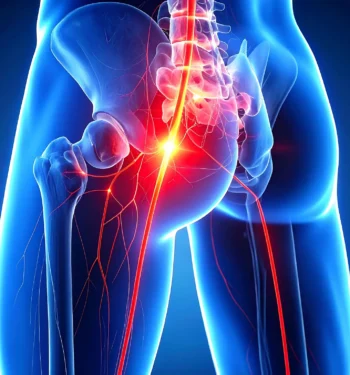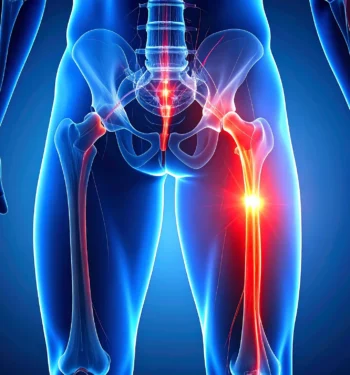
If you’ve ever felt a sharp, excruciating pain running from your lower back down your leg, you’ve likely experienced sciatica. This condition can cause constant pain that disrupts sleep, work, and daily life. Many patients aren’t sure where to turn for help or what kind of doctor treats sciatica most effectively. So, what kind of doctor is best for sciatica pain? For those seeking sciatica treatment in Indiana, the spine specialists at Goodman Campbell are experts at uncovering the source of sciatica pain and providing appropriate courses of action for healing.
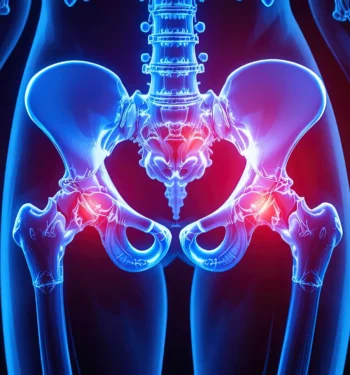
Sciatica is caused by irritation or compression of the sciatic nerve. It can result from a herniated disc, spinal stenosis, or a bone spur pressing on the nerve roots in the lower spine. Because sciatica affects the nervous system, the right medical doctor should have advanced training in diagnosing and treating nerve compression conditions.
Which Type of Doctor Treats Sciatica?
Several types of doctors treat sciatica — including neurosurgeons, orthopedic doctors, pain doctors, physical therapists, neurologists, and your primary medical doctor — but they differ significantly in training, expertise, and the treatments they can offer.
For a complete guide to sciatica care options, visit our what kind of doctor treats sciatica page — also referenced from our sciatica condition overview.
Should I Go to a Doctor or Chiropractor for Sciatica?
While chiropractors may provide short-term relief for mild musculoskeletal discomfort, sciatica involving nerve compression or severe leg pain requires evaluation by a medical doctor. A thorough evaluation, often including MRI, helps confirm the cause and guides an effective other treatments plan.
When Should You See a Primary Care Physician for Sciatica?
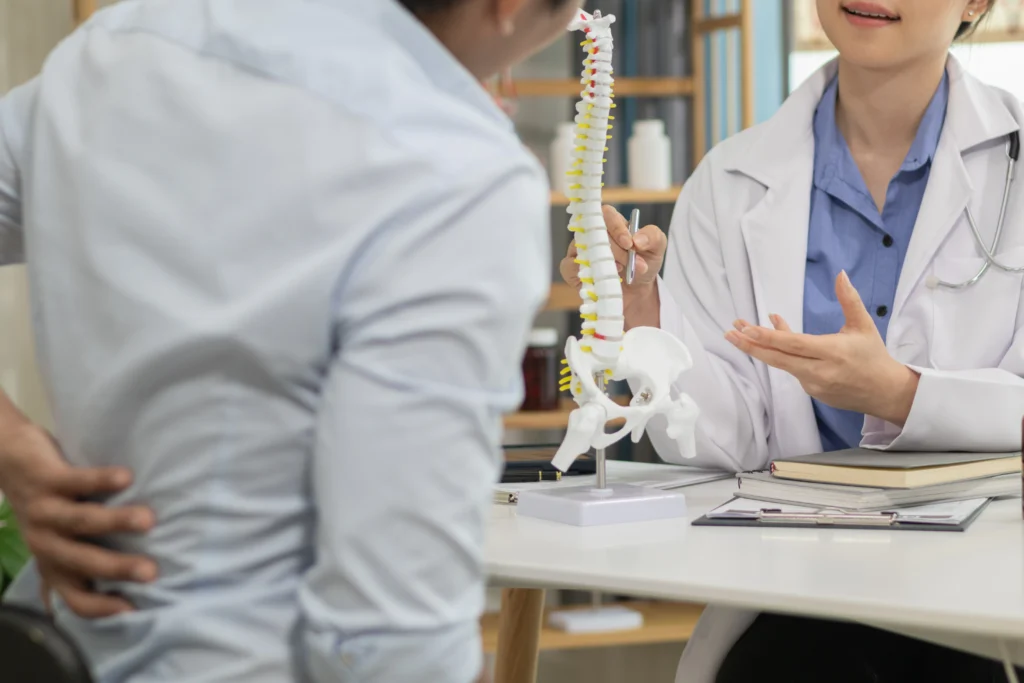
Your primary medical doctor is often the first step for new or moderate sciatica symptoms. They may recommend medication or refer you to a physical therapist to manage back pain and inflammation. However, if symptoms persist or worsen, referral to a specialist is necessary.
What Will a Neurologist Do for Sciatica?
A neurologist specializes in diagnosing disorders of the nervous system, including the spinal cord and nerve roots. They can confirm nerve compression and identify whether the issue originates in the spinal canal or elsewhere. However, while neurologists diagnose sciatica, they do not perform surgical treatment.
How Do Interventional Pain Management Specialists Help With Sciatica?
Interventional pain doctors use image-guided techniques to relieve sciatic nerve compression and reduce inflammation. Procedures such as epidural injections and nerve blocks can offer significant pain relief and improve mobility — making pain doctors a key part of the other treatments available before surgery is considered. At Goodman Campbell, these specialists collaborate closely with neurosurgeons as part of a personalized, comprehensive care plan.
Neurosurgeon vs. Orthopedic Surgeon: What’s the Difference?
Both neurosurgeons and orthopedic doctors treat the spine, but their training and focus areas differ significantly. Neurosurgeons complete more extensive training and education than orthopedic doctors. In fact, recent neurosurgical residents carried out 260% more spine procedures than orthopedic surgery residents — a key reason why neurosurgeons are often preferred for complex sciatic treatment.
Why Choose a Neurosurgeon To Treat Sciatica Pain?
Neurosurgeons undergo more extensive, specialized training in the nervous system — typically seven to eight years of residency, with about half focused on back surgeries and procedures. They are uniquely qualified to relieve nerve compression causing leg pain and treat both simple and complex spine conditions. An orthopedic doctor, by contrast, completes five years of residency with much less emphasis on spinal nerve disorders.
Because sciatica stems from the nerve roots, a spine surgeon with neurosurgical training provides the most accurate diagnosis and sciatic treatment. At Goodman Campbell, patients benefit from having access to one of the most accomplished neurosurgery teams in the world — right here in Indiana.
What Makes Neurosurgical Training More Specialized for Nerve Compression?
A neurosurgeon’s expertise is preferred to accurately diagnose and treat sciatica because the condition originates in the nerve roots. At Goodman Campbell, fellowship-trained spine surgeons combine this depth of training with minimally invasive techniques to relieve leg pain, restore function, and reduce pain — offering a level of precision that general orthopedic doctors typically cannot match.
What Nonsurgical Options Are Available To Treat Sciatica?
The vast majority of patients with leg pain from sciatica begin their journey with other treatments such as physical therapist-led rehabilitation and interventional pain doctors. A physical therapist can design exercises that strengthen the lower spine, improve flexibility, and support recovery. Epidural injections from pain doctors may also be used to reduce inflammation and allow patients to participate more fully in rehabilitation.
For guidance on whether surgery is right for you, see our article on what kind of doctor treats sciatica — also linked from our questions to answer before considering sciatica surgery.
When Is Surgical Treatment Necessary for Sciatic Nerve Pain?
If leg pain persists or worsens despite other treatments, or if there is muscle weakness or nerve damage, a spine surgeon may recommend surgery. Procedures such as spinal fusion or decompression can effectively relieve pressure on the sciatic nerve. Goodman Campbell’s spine surgeons use the latest minimally invasive techniques to promote faster recovery and less postoperative discomfort.
Why Choose Goodman Campbell for Sciatica Treatment in Indiana?
If you’re wondering what the most successful sciatic treatment is, discuss your case with our specialists at Goodman Campbell. We are a global leader in brain and spine care at the center of clinical research and neurosurgery training in the United States. Our fellowship-trained spine surgeons treat both simple and complex spine conditions — from herniated discs to nerve compression and chronic back conditions causing leg pain.
Goodman Campbell’s collaborative approach brings together neurosurgeons, interventional pain management specialists, and physical therapists to ensure every patient receives a comprehensive, compassionate treatment plan. Goodman Campbell Brain and Spine offers expert, compassionate care from specialists to relieve sciatic nerve pain and restore function. With efficient scheduling and convenient locations, including Indianapolis, Carmel, Greenwood, Noblesville, Avon, and more, patients have access to world-class spine care close to home. With proven outcomes, world-class training, and accessible care, it’s clear why patients across the region trust Goodman Campbell to treat sciatica and get back to better.