What Is Sciatica Pain?
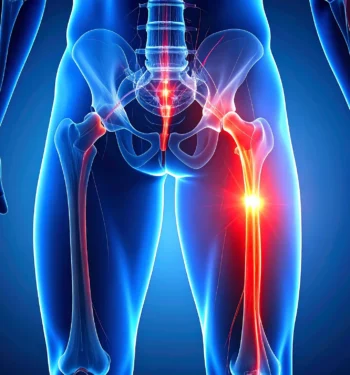
Sciatic pain is a common condition that can feel overwhelming and discouraging, especially when discomfort limits daily activities. Often presenting as a sciatic nerve pain radiating from the lower back down one affected leg, it may also include tingling, numbness, or weakness — classic sciatica symptoms. At its core, sciatica is caused by irritation or compression of the sciatic nerve.
The good news is that stretching exercises for sciatica have been shown to play a vital role in managing sciatica symptoms, reducing flare-ups, and even speeding recovery. The right best stretches for sciatica pain not only bring immediate ease sciatica pain benefits but also build resilience and restore your sense of control. Regular movement supports healing by reducing nerve pressure, improving flexibility, and releasing pain-relieving endorphins.
Why Is It Important to Exercise if You Have Sciatica?
Exercise is a cornerstone of both short-term and long-term sciatica management. By staying active and engaging in purposeful stretches, you encourage your body’s natural healing processes, minimize stiffness, and maintain the strength you need to return to the activities you love. Sometimes resting too much can actually make symptoms worse, while safe, gentle movement can offer real benefits. Remember, small, consistent steps add up to meaningful progress; it’s not about pushing through severe pain, but rather about nurturing your body back to better health.
The Power of Safe Stretching
When introduced thoughtfully, safe stretching exercises can help to ease sciatica pain and loosen tight muscles around your spine and hips. Always approach new activities at your own pace and listen carefully to your body’s signals. If you’re seeking a personalized plan, ask your doctor about Goodman Campbell.
What Are the 5 Best Exercises for Sciatica Pain?
When managing sciatic pain, the right stretching exercises can make a tremendous difference in both relief and healing. These are the best stretches for sciatica pain, targeting the muscles and nerves most often responsible for sciatica symptoms to reduce sciatic nerve pain and relieve sciatica pain in the affected leg. Never perform new exercises without guidance from your physician or physical therapist.
1. Piriformis Stretch
The piriformis stretch is widely recognized as the most effective way to relieve sciatica pain and reduce sciatic nerve pain. It targets the piriformis muscle which, when tight, presses directly on the sciatic nerve and worsens sciatica symptoms in the affected leg.
- Lie on your back with both knees bent and feet flat on the floor.
- Cross your right ankle over your left knee, forming a figure-four shape.
- Gently pull your left thigh toward your chest using both hands.
- Hold for 20–30 seconds, breathing deeply. Switch sides.
- Repeat 2–3 times on each side.
2. Knee-to-Chest Stretch
This stretching exercise releases tension in the lower back and glutes to ease sciatica pain and alleviate sciatica symptoms in the affected leg.
- Lie flat on your back with knees bent and feet flat against the floor.
- Gently bring one knee toward your chest, clasping your hands behind your thigh or at the top of your shin.
- Hold for 20–30 seconds, then release and repeat with the other leg.
3. Seated Spinal Stretch
This stretching exercise opens up the hips, stretches the spine, and targets pressure points along the sciatic nerve to relieve sciatica pain and reduce sciatic nerve pain.
- Sit comfortably on the floor with your legs extended.
- Bend your right knee and place your foot flat on the outside of your opposite knee.
- Twist your upper body to the right, placing your left elbow on the outside of your right knee.
- Hold for 20–30 seconds, then repeat on the other side.
4. Cat-Cow Stretch
One of the best stretches for sciatica pain, this creates gentle motion in the back and soothes nerve pressure to ease sciatica pain and improve sciatica symptoms.
- Begin on your hands and knees in a tabletop position.
- Inhale as you arch your back, lifting your tailbone and head upward (Cow position).
- Exhale and round your spine toward the ceiling while tucking your chin and tailbone (Cat position).
- Cycle through these poses 10–15 times.
5. Standing Hamstring Stretch
The standing hamstring stretch is one of the best stretches for sciatica pain for patients who are more mobile, helping to reduce sciatic nerve pain by releasing tension through the back of the affected leg and lower back.
- Stand with one foot slightly raised on a step or low surface.
- Keep a straight back and gently lean forward over the extended leg.
- Hold for 20–30 seconds, feeling the stretch in your lower back and buttock.
- Repeat for both legs.
Why Do These Exercises Work for Most People with Sciatica?
The best stretches for sciatica pain address tightness, reduce sciatic nerve pain, and promote circulation in the lower back and buttocks. By releasing tension in these regions, you ease sciatica pain, provide pain relief, and gain flexibility for daily activities.
Proper Form, Frequency, and Modifications for Comfort
Aim to perform these stretching exercises daily or as recommended by your healthcare provider. Always discuss your unique needs with your doctor at Goodman Campbell. They will help you discover the sciatica routine that guides you to greater comfort.
For patients with spinal stenosis looking for complementary movement guidance, see our 5 simple spinal stenosis exercises.
What Is the Number One Stretch for Sciatica Pain?
If you’re searching for the single most effective best stretches for sciatica pain, the piriformis stretch is widely recognized as the most effective option to relieve sciatica pain and reduce sciatic nerve pain. This stretch specifically targets the piriformis muscle which, when tight or inflamed, puts pressure on the sciatic nerve and leads to sciatic nerve pain and sciatica symptoms radiating down the affected leg.
Why Is the Piriformis Stretch So Effective?
The piriformis muscle sits directly over the sciatic nerve. When it tightens or spasms, it can irritate or compress the nerve, causing classic sciatica symptoms. The stretch lengthens the muscle, decreases pressure, and boosts circulation — making it a cornerstone of any plan to ease sciatica pain and reduce sciatic nerve pain.
Precautions for Those With Intense Pain or Other Conditions
If your sciatic nerve pain is severe, sudden, or accompanied by numbness or weakness in your affected leg, approach any new stretching exercises with caution. For those with recent back surgery or disc herniation, stretching should only be performed under the guidance of a health professional. Stop immediately if the stretch increases sciatic pain.
What Are Effective Sciatica Exercises In Bed?
For those experiencing acute sciatic pain or limited mobility, bed-based stretching exercises offer gentle relief without putting excessive pressure on the lower back or sciatic nerve. These movements boost circulation, decrease sciatica symptoms, and can gradually restore function.
Why Bed-Based Exercises Can Be Helpful for Acute Sciatica Pain
When the sciatic nerve is agitated, movements on a comfortable, supportive surface can make all the difference in providing ease sciatica pain benefits. Bed-based stretching exercises are also less intimidating for people waking up with sciatic nerve pain.
Gentle Bedside Stretches and Exercises to Try
Some of the most effective gentle stretches for sciatica in bed include:
- Pelvic Tilts: Lying on your back with your knees bent, gently tilt your pelvis upward to flatten your back against the mattress. Hold for 5 seconds and repeat 10 times, focusing on slow, controlled movements.
- Supine Hamstring Stretch: Still on your back, lift one leg towards the ceiling while keeping the other bent. Hold your thigh or calf and gently pull toward you until you feel a stretch in the back of your leg. Hold for 10–20 seconds and switch sides.
- Figure-Four Stretch: While lying down, cross one ankle over the opposite knee, and then pull the bottom leg toward your chest. This stretches the glute and piriformis muscles, which often contribute to sciatic pain. Hold for up to 30 seconds, then swap sides.
Tips for Safety and Comfort When Exercising in Bed
Always move slowly and focus on how your body feels. If you experience shooting, sharp, or increasing sciatic nerve pain, stop immediately. If you are unsure which bed-based moves are best for your sciatica symptoms, ask your doctor about Goodman Campbell.
If your sciatica is related to disc issues, our article on whether walking is good for an L5-S1 herniated disc provides complementary movement guidance alongside stretching exercises.
What Is the Fastest Way to Relieve Sciatica?
The fastest ways to relieve sciatica pain may include gentle movement, the piriformis stretch, applying cold or heat, and making wise decisions about when to rest. While the best stretches for sciatica pain can bring comfort, it is crucial to pay attention to your body’s signals and avoid pushing through sciatic nerve pain.
What Is the Fastest Way to Relieve Sciatica?
The speediest relief strategies for sciatica pain often involve gentle stretches to reduce pressure on the nerve. Alternating ice and heat applications can calm muscle spasms and reduce inflammation. While it might be tempting to stay in bed, light activity and periodic walking often help recovery more than prolonged immobility, which can worsen stiffness and discomfort.
Beyond gentle stretching and movement, over-the-counter pain relievers can be useful, but you should always check with your doctor if you are starting new medications. Incorporating mindfulness or deep-breathing practices may also help manage pain perception and tension. Remember, the goal is to find a balance between relief and safety, recognizing that immediate interventions are just one part of long-term recovery.
Should I Stretch My Sciatic Nerve if It Hurts?
If you experience mild discomfort, gentle stretching may be beneficial to achieve fast sciatica pain relief, as long as you avoid forcing the movement or stretching to the point of increased pain. However, if stretching exacerbates your symptoms or causes sharp, radiating pain, stop immediately. Never stretch through intense pain, numbness, tingling, or weakness, as these are signs your nerve may be irritated or at risk.
Listening to your body is key — if in doubt, prioritize safety and rest, and seek professional advice. Persistent or severe pain should never be ignored, as it may signal a need for tailored medical evaluation.
When to Seek Medical Attention for Sciatica Pain
While home measures and thoughtful exercise can offer relief, certain situations require prompt medical evaluation. If your sciatica pain is accompanied by loss of bladder or bowel control, severe muscle weakness, foot drop, or rapidly worsening symptoms, seek help immediately. If home remedies are not helping or you are unable to manage your pain, it’s time to contact a trusted specialist for advanced care and peace of mind.
For urgent pain or if your symptoms are not improving, contact your healthcare provider or ask your doctor about Goodman Campbell to discuss the safest, most effective next steps in your sciatica recovery journey.
What Are the Best Exercises for Sciatica Pain in the Buttock?
When struggling with sciatic pain in the buttock, targeted stretching exercises can bring meaningful pain relief. The discomfort often comes from tension in the piriformis or gluteal muscles, which compress or inflame the sciatic nerve and produce sciatica symptoms in the affected leg.
Why Do Buttock Muscles Matter for Sciatica?
The piriformis muscle, located deep in your buttocks, frequently plays a significant role in sciatic pain. Tightness or spasms in this muscle can press directly on the sciatic nerve, causing radiating pain that travels down the leg. The gluteal muscles also support your hips and lower back, and weakness or tightness here can contribute to persistent discomfort. By addressing these key areas, you are actively treating one of the root causes of pain, not just the symptoms.
Recommended Buttock Pain Relief Exercises
Several exercises have proven effective for individuals experiencing sciatica-related buttock pain (If you are experiencing serious sciatic nerve symptoms, consult your doctor or a physical therapist before introducing any new exercises.):
- Piriformis Stretch: While lying on your back with both knees bent, place the ankle of your affected leg over the opposite knee. Gently pull the unaffected thigh toward your chest, feeling a stretch in your buttock. Hold for 20–30 seconds, repeat 2–3 times per side.
- Glute Bridges: Lie on your back, feet flat on the floor, knees bent. Press through your heels, lift your hips toward the ceiling, and squeeze your glutes. Hold briefly, then lower down. Aim for 2 sets of 10–12 repetitions, building strength in your hips and buttocks.
- Standing Hamstring Stretch: Stand with one foot slightly raised on a step or low surface. Keep a straight back and gently lean forward over the extended leg, feeling a stretch in your lower back and buttock. Hold for 20–30 seconds; repeat for both legs.
How To Incorporate These Into Your Daily Routine
With approval from your doctor, integrating these exercises takes just minutes a day and can yield tremendous benefits over time. Try pairing them with your morning or evening routine, or using them as restorative breaks while at work. Begin gently, listen to your body, and increase intensity or repetitions as comfort allows. Remember, consistency is key; regular practice keeps muscles relaxed, flexible, and resilient.
For a targeted pain solution crafted just for your unique needs, do not hesitate to ask your doctor about Goodman Campbell. An expert can personalize a plan, ensuring safe, supportive progress on your healing journey.
Should I Stretch My Sciatic Nerve if It Hurts?
Stretching your sciatic nerve when it hurts can sometimes help, but it must be approached with care. Improper stretching can worsen sciatica symptoms or cause injury. If you’re experiencing severe, sharp, or shooting sciatic nerve pain while stretching, stop and reassess your approach.
How to Safely Approach Stretching With Nerve Pain
Start every stretching exercises session with a focus on gentle movements rather than aggressive pulls. Aim for stretches that produce a mild sensation without triggering sciatic pain radiating down your affected leg. If you notice increased tingling, burning, or numbness, discontinue the movement and consult your physician.
Warning Signs to Stop Stretching or Exercising
Be vigilant for certain warning signs that may signal you should stop immediately. These include worsening pain, sudden weakness in your leg, escalating numbness, or loss of control over bladder or bowel function. If any of these occur, stop the exercise and seek medical advice. Precautions for sciatica exercises are crucial. Never force your body into positions that don’t feel right, and always prioritize your safety over pushing through discomfort. Your well-being is always the top priority.
Tips for Minimizing Risk and Maximizing Benefits
To get the most from your stretching routine while protecting your sciatic nerve, follow some basic guidelines. Use slow, controlled movements, and avoid quick jerks or bouncing. Warm up with gentle walking or light activity before stretching. Incorporating props such as a yoga strap or a towel can help provide support and control. Partner with a physical therapist or healthcare provider for targeted guidance if you’re unsure which stretches are safe for you.
Most importantly, always consult your doctor at Goodman Campbell before starting a new exercise routine, especially if you have a history of back or nerve pain. Your journey to relief starts with the right support.
Conclusion and When to Seek Professional Care
The journey to overcoming sciatica pain often begins with gentle stretching, targeted exercises, and lifestyle adjustments. While these methods can provide significant relief and allow many individuals to regain their mobility and confidence, it is important to recognize when it is time to seek the expertise of a healthcare professional. If your pain persists despite following recommended stretches and exercises, worsens over time, or is accompanied by symptoms such as numbness, severe weakness, or loss of bladder or bowel control, this is your signal to prioritize specialist care.
Consistency is key to lasting results. Listen to your body and avoid pushing through sharp or severe pain, as this can signal that something more serious is at play. Knowing your limits and when to slow down is just as important as persistence and dedication. Remember, what works for someone else may not be ideal for you, so tailoring your approach is essential for safe and successful sciatica management.
When Should I See a Doctor for Sciatica Pain?
If sciatica pain disrupts your everyday life, interferes with sleep, or persists for more than a few weeks without improvement, it is wise to consult a physician. Additionally, if you notice symptoms such as significant leg weakness, tingling, or sudden pain after an injury, you should not delay seeking medical care. Early evaluation by experienced professionals ensures you receive a comprehensive plan to address both symptoms and underlying causes, safeguarding your long-term health and mobility.
How Can Goodman Campbell Help With Sciatica?
Expert teams like those at Goodman Campbell offer in-depth evaluations, advanced imaging, and personalized treatment plans designed for your unique needs. Whether you require guidance on physical therapy, minimally invasive procedures, or surgical solutions, their commitment is to support you every step of the way. Professional care bridges the gap between hope and healing, empowering you to reclaim comfort, activity, and joy in your daily life.
If you or a loved one is struggling to find relief from sciatica, take the next step toward renewed strength and pain-free living. Real success stories begin with the courage to seek expert support. Let a team of compassionate professionals walk with you on your journey to wellness. Request an appointment or ask your doctor about Goodman Campbell.