Introduction: Understanding Sciatic Nerve Pain and Flossing
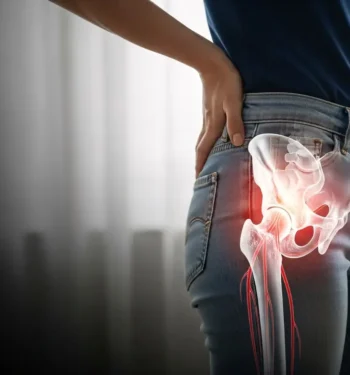
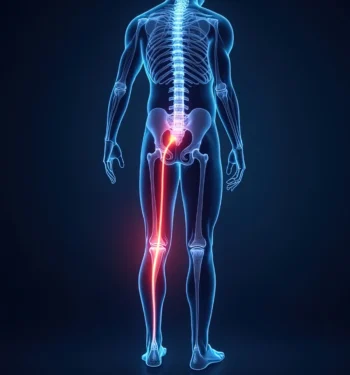
Sciatic nerve flossing, or nerve gliding, is a specialized set of nerve flossing exercises designed to gently mobilize the sciatic nerve, which is the longest nerve in the body. The sciatic nerve travels from your lower back, through the hips and buttocks, and down the back of each leg. When it becomes compressed or irritated — a condition known as sciatica — it can cause pain, numbness, tingling, or weakness that may affect daily life and limit mobility. Understanding how sciatic nerve flossing techniques work can be one of the first steps on your path to relief.
Overview of Sciatica and Sciatic Nerve Anatomy
The sciatic nerve is responsible for many of the motor and sensory functions in your legs and feet. Sciatica refers to pain stemming from irritation or compression of this nerve, which can feel like a sharp, burning, or radiating discomfort starting from the lower back and traveling down the leg. The causes of sciatica range from herniated discs and spinal stenosis to muscle tension or inflammation that entrap the sciatic nerve along its pathway. Knowing where and how the sciatic nerve travels makes it easier to understand the exercises designed to support it and can empower you or your loved ones as you seek relief.
Brief Explanation of Nerve Flossing Techniques
Nerve flossing involves gentle, controlled movements intended to glide the nerve back and forth within its natural path. This method can help reduce adhesions or restrictions around the nerve, promoting smoother movement, improved function, and, ultimately, less pain. The goal is not to forcefully stretch the nerve, but instead to encourage healthy, pain-free motion and restore balance to the surrounding tissues. When performed with care, nerve flossing can be a valuable addition to your sciatica toolkit.
Common Causes of Sciatic Nerve Pain
Sciatic nerve pain can have several root causes. A herniated disc is one of the most common culprits, as the protruding disc material presses on the nerve. Sacroiliac (SI) joint pain, spinal stenosis, scar tissue, and even muscular tightness in the lower back or gluteal area can also lead to nerve compression. Sometimes, even activities including prolonged sitting or sudden movements can trigger discomfort. Recognizing the cause of your pain is a powerful first step in selecting effective, safe interventions. Whatever your unique situation, you are not alone, and with the right information and support, relief is possible. If you’ve reached a point where you’re ready to seek guidance from a healthcare partner, request an appointment — no referral required — or ask your doctor about Goodman Campbell for personalized care on your healing journey.
Does Nerve Flossing Work for Sciatica?
For many sciatica patients, nerve flossing is effective, so how does nerve flossing work for sciatica? Sciatic nerve flossing is a set of specialized nerve flossing exercises designed to mobilize the sciatic nerve and reduce pain associated with sciatica. Clinical research and anecdotal reports suggest that, when performed correctly, nerve flossing may help decrease nerve irritation, promote healing, and restore comfortable movement. However, individual results can vary, and proper guidance is crucial to ensure effectiveness and safety.
How Nerve Flossing Aims to Mobilize the Sciatic Nerve
This technique involves gently and repeatedly moving your legs and hips through safe ranges of motion, which encourages the sciatic nerve to glide smoothly within its natural pathway. The movement can help relieve areas where the nerve may be pinched, reducing adverse symptoms such as tingling, numbness, and persistent shooting pains. By improving mobility and decreasing compression, nerve flossing supports overall nerve health and function.
Current Research and Clinical Evidence
Emerging evidence supports the use of sciatic nerve flossing as a conservative option for some people coping with sciatica. Physical therapists and rehabilitation experts often recommend nerve flossing as part of a broader therapeutic plan. Though robust, large-scale clinical trials are still limited, early studies and case reports indicate that regular, gentle nerve flossing may provide short-term symptom relief and improve daily function for individuals struggling with sciatica, especially when combined with other proven interventions.
Potential Benefits: Reduced Pain, Improved Mobility, and Decreased Nerve Irritation
Many patients find that consistent practice of nerve flossing exercises can lead to reduced pain intensity, a wider range of motion, and fewer episodes of nerve irritation. For those hindered by everyday tasks due to sciatica, the ability to once again participate actively in work, hobbies, and family life is a major motivator. These potential benefits highlight why so many are hopeful about incorporating nerve flossing into their care plan. Consult your care provider or spine specialist to get expert guidance on nerve flossing.
Individual Results and the Importance of Professional Guidance
While some people experience dramatic improvements, others may see subtle or delayed effects, making individualized care essential. It is important to remember that not all causes of sciatica are appropriate for nerve flossing; those with certain injuries or complications may need specialized care. For the safest, most effective approach, ask your doctor about a referral to a specialist such as Goodman Campbell, where our experienced providers can guide you on an optimal, personalized path toward healing and pain relief.
How Do I Glide My Sciatic Nerve? Flossing and Other Techniques
To glide or mobilize the sciatic nerve, healthcare professionals often recommend nerve flossing. This approach involves gentle movements designed to glide the nerve back and forth within its surrounding tissues, helping to reduce irritation, alleviate pain, and restore comfort. Many people wonder whether nerve flossing exercises can be adapted to accommodate different situations, including those times when getting down to the floor is difficult. The answer is yes! These exercises can be safely and effectively performed in bed with simple adjustments. Contact your care provider to learn more about safe adaptations.
What Is ‘Nerve Gliding’ and How Does Flossing Help?
“Nerve gliding” is a term sometimes used to describe the process of stretching and mobilizing a nerve to encourage healthy blood flow and decrease sticky spots or entrapment along its pathway. Sciatic nerve flossing specifically aims to help the nerve glide more easily, relieve pressure from surrounding tissues, and promote healing. This gentle approach is a nonsurgical, noninvasive way for many battling sciatica to regain comfort and movement in their day-to-day lives.
Step-by-Step Sciatic Nerve Flossing Exercises
Typical sciatic nerve flossing movements include the following two exercises. Always consult your doctor before incorporating any new movements into your routine.
- Sitting Floss: Sit upright on the edge of your bed or a sturdy chair. Straighten one leg slowly, keeping your other foot grounded. With your toes pulled back, gently bend your neck forward as your leg extends, and return to the starting position. (Repeat 5–10 repetitions, then switch sides.)
- Lying Down Floss: While lying on your back (in bed or on the floor), bend your knees. Slowly straighten one leg while pulling your foot up towards your head (as if making a “heel push”). Lower your leg back, and relax. Alternate legs and repeat 5–10 times on each side.
- Nerve Gliding Plus Hamstring and Calf Stretch: Start from a supine position, lying facing up on a safe surface such as a bed. Use a strap or towel to pull your leg straight up in the air. Keep your knee straight and your foot pulled back and raise the leg until a stretch is felt in the back of the leg. Use a strap or towel to glide the foot back and forth 10–20 times. (Repeat 1–3 times a day.)
- Nerve Gliding Plus Outer Thigh Stretch: Start from a supine position, lying facing up on a safe surface such as a bed. Use a strap or towel to bring your leg straight up until tension is felt in the back of the leg. Then bring your leg across your body until you feel tension along the outer thigh and/or outer calf. “Bounce” your foot in toward your body and back to neutral position 10–20 times as you glide the nerve back and forth. (Repeat 1–3 times a day.)
Always move gently. You should feel a mild stretch or tingling — never sharp pain.
Can You Do Sciatic Nerve Flossing in Bed?
Yes, sciatic nerve flossing can be done in bed, making it accessible for those experiencing decreased mobility or severe discomfort. The key is to ensure that your bed provides enough support so your spine stays in a neutral position, and movements remain controlled. Performing nerve flossing in bed can reduce the risk of falls or additional strain, and it’s a wonderful way to fit gentle movement into your morning or bedtime routine.
To safely adapt a specific exercise, reach out to a healthcare professional for guidance.
Tips for Gentle Movements and Frequency Recommendations
If your healthcare provider has given you the greenlight to start nerve flossing exercises, begin with slow, steady movements. Perform these stretches 1–3 times per day, depending on your comfort and ability. Each session should take just a few minutes. Remember to avoid pushing into pain — the goal is to gently encourage healing, not provoke further discomfort. Listen to your body, and if you notice worsening symptoms, take a break and consult with your doctor.
For a plan tailored to your needs, ask your doctor about Goodman Campbell. Expert care can make all the difference on your path to comfort and mobility.
How to Release a Trapped Sciatic Nerve? Practical Tips and Exercises
Releasing a trapped sciatic nerve involves addressing whatever is compressing or irritating the nerve, such as a herniated disc, spinal misalignment, or muscle tightness. Sciatic nerve flossing exercises can help reduce nerve tension and gently mobilize the nerve, potentially bringing significant relief. However, the right techniques vary depending on the underlying condition, and it is important to modify or stop exercises if pain increases or new symptoms arise. Always consult a healthcare provider before starting a new exercise or stretching routine. For personalized and effective care, request an appointment or ask your doctor about Goodman Campbell. Our spine specialists will focus on determining the root cause of your pain and providing a tailored treatment plan.
The Link Between Nerve Entrapment and Conditions Like Herniated Discs
Sciatic nerve entrapment most commonly results from problems such as herniated discs, spinal stenosis, or even tight muscles in areas such as the piriformis. When a disc bulges or ruptures, it can press on the sciatic nerve, sending pain, tingling, or numbness down the leg. Certain activities or postures — like prolonged sitting or poor ergonomic habits — can worsen nerve pressure. Understanding the source of nerve entrapment allows for more targeted relief strategies, ranging from nerve flossing exercises to posture adjustments and medical intervention when necessary.
Best Nerve Flossing Exercises in These Cases
For those coping with a herniated disc or nerve entrapment, gentle nerve flossing is a practical approach. A commonly recommended exercise, and one you can talk to your doctor about, is the “seated nerve glide.” A simple explanation follows:
- Sit tall on the edge of a chair with feet flat on the floor.
- Extend one knee slowly until your leg is straight and flex your foot upward, feeling a gentle pull — but not sharp pain — along the back of your leg.
- As your leg extends, tilt your head gently backward; as you bend your leg, lower your chin toward your chest. This coordinated movement helps “glide” the nerve through its pathway with minimal tension.
- Repeat carefully 5–10 times per leg, stopping if you feel significant discomfort.
Always start slowly and consider performing these movements under professional supervision, especially if a herniated disc is suspected. Ask your doctor about Goodman Campbell’s expertise in nerve care for tailored guidance.
Other Strategies to Relieve Nerve Pressure Including Posture and Activity Modifications
Alongside nerve flossing exercises, lifestyle adjustments play a vital role in recovery from sciatica. Maintaining a neutral spine when sitting or standing, using ergonomic supports, and avoiding heavy lifting can reduce further nerve irritation. Gentle stretches for the hamstrings, glutes, and lower back also complement nerve gliding. Sometimes, alternating activity with periods of rest helps, as does applying ice or heat to manage acute pain. If your symptoms stem from a herniated disc, it’s particularly important to avoid sudden, twisting movements and listen to your body’s responses.
When to Stop and Seek Medical Attention
While most cases of sciatica improve with conservative treatments, certain warning signs indicate the need for professional review. If you experience worsening leg weakness, changes in bladder or bowel control, or increasing numbness, discontinue self-care and contact your healthcare provider immediately. Remember, what works for one person may not suit another, so for persistent pain or complex cases, ask your doctor about Goodman Campbell and explore comprehensive care options to restore your quality of life.
What Is the Miracle Stretch for Sciatica?
The search for the “miracle stretch” for sciatica often leads patients and families to a technique known as the sciatic nerve stretch, a “flossing” exercise that many have found remarkably helpful. While no single exercise guarantees relief, sciatic nerve flossing stretches are supported by clinical experience and research as an effective, noninvasive way to ease nerve tension and improve mobility. These dynamic movements gently guide the sciatic nerve through its natural range, helping alleviate pain from nerve compression or irritation.
What Are Some Effective Stretches for Sciatic Nerve Pain?
Among the most effective stretches for sciatic nerve pain, the seated nerve flossing stretch stands out for its ability to mobilize the nerve without putting excess pressure on the spine. To perform this stretch, sit upright on a chair with your feet flat on the floor. Extend one leg forward while keeping your heel on the ground and your toes pointed upward. As you extend your leg, gently tilt your head back and look up. Then, slowly return to the starting position, lowering your chin as you bend your knee. Repeat this gentle movement 8–10 times on each side.
If you need a modification, you can try this stretch lying on your back. This is especially helpful for anyone who finds sitting upright to be uncomfortable. Remember, the key is to move slowly and stop immediately if you feel any sharp pain, numbness, or increased discomfort. These stretches are not only designed to relieve pressure on the nerve, but also to encourage better blood flow and decreased inflammation in the affected area.
Other Beneficial Sciatic Nerve Flossing Exercises
In addition to the seated stretch, you may also benefit from the lying hamstring stretch. If your healthcare provider has said it’s safe to try, begin by lying on your back with one knee bent and the other leg extended. Gently raise the extended leg toward the ceiling, holding the back of your thigh for support if necessary. Keep your ankle flexed, and slowly straighten your knee until you feel a gentle stretch along the back of your leg. Alternate between flexing and pointing your toes to further mobilize the sciatic nerve and repeat as tolerated.
These nerve flossing exercises can be incorporated into your daily routine to help manage symptoms and improve your overall quality of life. They are especially useful for those dealing with recurring or persistent sciatica, but must be approached with care and patience.
Safety and the Importance of Professional Guidance
Before starting any new stretch or exercise — especially when dealing with a sensitive condition like sciatica — it’s important to consult with a trusted healthcare provider. Every person’s body and condition are unique, and stretches that help one person may not be safe for another, particularly in cases of herniated discs or severe nerve compression. Your physician or specialist can provide personalized recommendations, modifications, and progression plans to help you find lasting relief and avoid injury.
If you’re looking for guidance, hope, and proven expertise, ask your doctor about Goodman Campbell. Their compassionate team is dedicated to helping you navigate every step toward a pain-free life — so you can move, live, and thrive again.
Is Sciatic Nerve Flossing Safe?
Is sciatic nerve flossing safe? In most cases, sciatic nerve flossing can be safe and effective for individuals with mild to moderate nerve irritation, especially when performed gently and under the guidance of a medical professional. However, there are important exceptions. People with certain spinal conditions, acute injuries, or specific diagnoses such as a severe herniated disc may face risks with some nerve flossing exercises. It’s essential to understand your unique situation and consult your doctor before beginning any new exercise regimen, as improper stretching or movement can potentially worsen nerve compression or aggravate symptoms.
Are There Risks or Contraindications With Nerve Flossing?
Nerve flossing exercises must be approached with care, especially for individuals who have acute nerve pain, spinal instability, recent back surgery, or progressive neurological symptoms (like weakness or numbness that is worsening). If you’ve been diagnosed with a herniated disc, it’s even more important to only perform these exercises if your provider agrees they are appropriate. For some, the movements involved in flossing can put extra pressure on the inflamed nerve or the disc itself, resulting in increased pain or further injury. Certain populations, including those with severe osteoporosis, spinal tumors, or recent trauma, should also avoid or modify these exercises until cleared by their care team.
Safety Considerations and Precautions
Always begin with slow, gentle motions and avoid any activities that trigger sharp, shooting, or worsening pain. Never push through discomfort, as this may signal that the nerve is being aggravated instead of soothed. If you notice symptoms such as tingling, burning, worsening numbness, or loss of muscle strength, stop immediately. Professional supervision from skilled providers — like those at Goodman Campbell — is vital if you have any complicating factors or are unsure how to perform the exercises safely. With the expertise of neurosurgeons, interventional pain management physicians, and physical therapists, we can assess your unique structural issues, teach you the right moves, and monitor your progress to avoid setbacks.
Who Should Avoid Nerve Flossing or Seek Professional Advice?
Individuals with complex spinal conditions, recent spine surgery, progressive neurological deficits, or those experiencing severe nerve pain should speak with their doctor before beginning sciatic nerve flossing. If you are a spine surgery patient, your care team might recommend nerve flossing post-op to help prevent scar tissue buildup. Women who are pregnant, older adults with other medical issues, or anyone unsure about their diagnosis will benefit from a tailored plan from a specialized provider. Remember, what works for one person may not be appropriate for another, and personalized recommendations can make all the difference. For families and patients seeking the highest standard of care, ask your doctor about Goodman Campbell. Their compassionate, expert team is dedicated to helping you find safe and effective solutions for your pain.
Conclusion: Take Charge of Sciatic Nerve Pain — Ask Your Doctor About Goodman Campbell
Taking charge of your sciatic nerve pain starts with empowering yourself with the right information and choosing a care pathway that’s both safe and effective. Nerve flossing exercises, whether performed at home or under professional supervision, can offer real relief to some patients. However, every individual’s journey with sciatica is unique, making it essential to partner with an experienced medical team who can provide guidance, support, and a customized treatment plan.
What Are the Next Steps for Someone With Sciatic Nerve Pain?
If you are struggling with ongoing sciatic nerve pain, your best step forward is to seek a comprehensive evaluation from a medical professional with genuine spine expertise. Early intervention can help prevent worsening of symptoms and open the door to a wider array of treatment options — from nerve flossing to minimally invasive procedures and, if necessary, advanced surgical interventions. Remember, conservative management like stretching and exercise is most effective when tailored to your specific condition by a knowledgeable provider.
Why Is It Important to Involve a Healthcare Provider?
Involving a healthcare provider ensures you receive a correct diagnosis, safe guidance on exercises, and prompt treatment if your condition requires more than conservative management. Especially with adapted techniques such as sciatic nerve flossing in bed, individualized recommendations can reduce the risk of harm and improve your chances of lasting relief. Most importantly, a multidisciplinary care team — like those at Goodman Campbell — can coordinate your care to include specialized spine surgeons, interventional pain management physicians, and allied health professionals.
Sciatic nerve pain does not have to define your life. At Goodman Campbell, every patient is at the center of our mission to improve the health of our patients, resulting in restored movement and comfort. With our comprehensive team approach, access to innovative diagnostic tools, and dedication to data-driven outcomes, you have the support you need every step of the way. For a brighter future with less pain, ask your doctor today about what Goodman Campbell can do for you.