Understanding Sciatica and Sleep Discomfort
For those coping with sciatic nerve pain, sleep can often feel elusive. The discomfort, tingling, or aching that comes with sciatica may seem to intensify as night falls, leaving many patients searching for solutions and effective sciatica treatment options. Addressing how you sleep with sciatic nerve pain involves understanding the condition itself, learning why symptoms worsen at night, and adopting supportive habits to promote restorative rest. Exploring these aspects is the first empowering step toward relief and healing.
What Is Sciatica and What Are Its Symptoms?
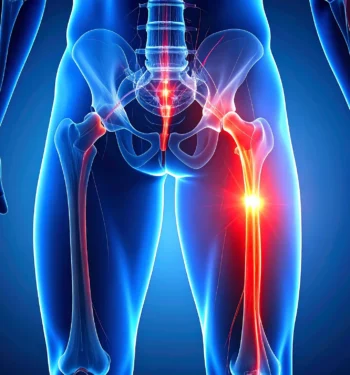
Sciatica refers to pain that radiates along the path of the sciatic nerve, which travels from your lower back through the hips, buttocks, and down each leg. People with sciatica often describe the discomfort as sharp, burning, or shooting pain that makes movement and sleep difficult. The pain is sometimes accompanied by numbness, tingling, or muscle weakness, varying in severity. Recognizing these symptoms is crucial so you can take targeted steps for relief.
Why Can Sciatic Nerve Pain Intensify at Night?
Getting comfortable can be particularly challenging for those with sciatica pain at night. When you lie down, pressure on the sciatic nerve may increase depending on your sleep position and the condition of your mattress. At the same time, inflammation in the affected area can worsen due to decreased movement overnight. Reduced distractions at bedtime may also lead you to focus more acutely on any pain you feel, making it seem more intense.
How Mattress Quality, Sleep Position, and Inflammation Affect Sciatica
The type of mattress you use and your preferred sleep position play important roles in either exacerbating or alleviating sciatic nerve pain. An overly soft or worn-out mattress may fail to provide adequate support for your spine and hips, causing pressure points that aggravate nerve pain. Certain sleep positions, such as lying flat on your back or directly on the affected side, can also increase discomfort for some individuals. Additionally, underlying inflammation from daily activities may manifest more prominently when your body is finally at rest.
The Importance of Quality Sleep for Sciatica Recovery
Healing and pain management require quality sleep, when your body gets a chance to repair tissues and regulate inflammation. Persistent sciatic nerve pain that disrupts your sleep hampers recovery and can impact your emotional well-being. Prioritizing sleep hygiene — such as developing a soothing bedtime routine, managing pain proactively, and addressing underlying triggers — can help create the conditions your body needs for comfort and healing.
If nightly pain persists or becomes overwhelming, it may be time to ask your doctor about Goodman Campbell. Our team can help you find a personalized approach to managing sciatica and restoring restful sleep.
What Are the Dos and Don’ts for Sleeping With Sciatica?
When it comes to sleeping with sciatica, making conscious choices about your nighttime routine and sleep environment can significantly impact your comfort and ability to rest. Emphasizing the right dos and don’ts empowers you to prevent pain flare-ups, promote relaxation, and support your body’s healing process. Knowing what to embrace and what to avoid can make all the difference between waking up refreshed or fatigued.
Recommended Pre-Bed Routines for Pain Relief
Before settling into bed, consider gentle stretching, a warm shower, or breathing exercises. These activities can help loosen tight muscles, reduce nerve compression, and relax your mind for restful sleep. Incorporating soothing rituals such as meditation or calming music can also ease the transition to sleep, promoting both physical and emotional relief from sciatic pain.
Dos: Using Pillows for Alignment, Maintaining Good Posture, and Stretching
Among the most often utilized sleeping with sciatica dos is using supportive pillows. Place a pillow beneath or between your knees to keep your spine aligned and reduce pressure on the sciatic nerve. Maintain strong sleep posture by lying on your side or back rather than your stomach, and try light, sciatic-friendly stretches before bed to improve flexibility and circulation. Keeping good alignment and gentle movement as part of your nighttime routine goes a long way toward pain relief.
Don’ts: Sleeping in Positions That Aggravate Sciatica, and Using Overly Soft or Worn-Out Mattresses
To protect your back, avoid sleeping positions that twist your spine or put extra strain on your lower back. Resist the temptation to curl tightly into a ball or sleep on your stomach, as these positions can worsen sciatic symptoms. An overly soft or saggy mattress may also exacerbate pain; ensure your mattress offers adequate support for your back and hips, and consider replacing it if it is more than 8 years old or feels lumpy and unsupportive.
Tips for Immediate Relief if You Wake Up in Pain
If you wake up with a sudden spike in sciatic pain, don’t panic. Instead, try shifting your position, gently stretching your back or hamstrings, or applying an ice or heat pack for 15–20 minutes. Rise slowly out of bed to avoid jerking movements. Practicing patience and consistent relief strategies can help you transition back to comfort and back to sleep.
Ask Your Doctor About Goodman Campbell for Persistent or Severe Symptoms
If your sciatic pain persists at night or disrupts your quality of life, remember that you do not have to navigate this journey unaided. Ask your doctor about Goodman Campbell for expert guidance, diagnostic insight, and compassionate care designed specifically for your individual needs.
Best Sleeping Position for Sciatica
Finding the best sleeping position for left-sided sciatica or right-sided sciatica can make a significant difference in how well you rest and how much pain you experience at night.The recommended position is generally side-sleeping on your non-affected side (opposite the pain) with a pillow between your knees. This setup can reduce the pressure on your irritated sciatic nerve, promote better spinal alignment, and help you wake up feeling more refreshed, offering comfort as you heal.
Overview of Optimal Sleep Positions for Sciatica
When sciatica affects one side of your body, you’ll benefit most from sleeping on the opposite side, as this minimizes compression on the sensitive nerve root. Placing a supportive pillow between your knees will keep your hips and pelvis aligned, taking additional strain away from your lower back and legs. If side-sleeping is not your preference, lying on your back with a pillow under both knees is a suitable alternative, as it evenly distributes weight and relieves lumbar tension.
How to Use Pillows and Supports to Reduce Pressure
Pillows can be a simple yet powerful tool to create comfort and relieve pressure on your sciatic nerve while you sleep. Start by choosing a pillow that is the right thickness to keep your hips level when placed between your knees. Some people also benefit from hugging a pillow or tucking a small, soft roll at the small of their back if they sleep on their side. For back sleepers, placing a pillow or a foam wedge under the knees slightly raises the legs, relaxing the natural curve of your spine and easing pressure points.
Side-Sleeping Tips: Choosing the Right Side for You
Choosing which side to sleep on matters when you have sciatica. Lying directly on the painful side can worsen discomfort and aggravate nerve pain. Instead, prioritize sleeping on your non-affected side (the side without pain) and use pillows for extra support and stability. If you must sleep on your painful side, do so briefly and ensure your entire spine, neck, and hips are well-aligned, with plenty of cushioning.
Adjusting Your Mattress for Comfort and Support
Your mattress plays a vital role in managing sciatica pain at night. Medium-firm mattresses are typically best, as they offer the necessary support without being too hard or too soft. If your current mattress sinks in the middle or feels uneven, consider a mattress topper to add comfort and support. Making these adjustments helps ensure your body is well-aligned and limits twisting or bending that may worsen sciatic pain.
Remember, every patient’s body and situation are unique. If you are experiencing ongoing discomfort or if you’re unsure which options will work best for your symptoms, ask your doctor about Goodman Campbell. Your sleep and healing are important quality-of-life issues.
How Can You Sleep With Sciatica During Pregnancy?
Sciatica during pregnancy can be particularly challenging due to the unique physical changes and growing discomfort women experience. Sleeping with sciatica pain during pregnancy requires special attention to both your comfort and your safety, as finding the right position can help relieve pressure on the sciatic nerve. Safe side-sleeping, supportive pillows, and gentle routines can promote restful sleep and overall well-being for both mom and baby. Of course, if your pain becomes severe or persistent, it’s important to reach out to your obstetrician. Ask them about Goodman Campbell for expert help tailored to your special needs.
What Are the Challenges of Sleeping With Sciatica in Pregnancy?
The expanding uterus, shifting center of gravity, and added weight during pregnancy often put additional strain on the lower back, making sciatic nerve pain more pronounced at night. Many expectant mothers notice increased discomfort when lying down, as the position of the baby and swelling can further compress the sciatic nerve. Lack of restorative sleep not only affects your comfort, but can also impact your mood and energy level, so taking care to prioritize nighttime relief is essential.
What Are Safe Sleeping Positions for Pregnant Women With Sciatica?
Experts often recommend that pregnant women with sciatica try to sleep on their left side with a slight bend in the knees. This position improves circulation and places the least strain on both the back and the developing baby. Using a thick pillow or a pregnancy pillow between your knees and under your bump can help align the hips and reduce nerve pressure. Avoid lying flat on your back or stomach, as these positions can worsen both sciatica pain and overall pregnancy discomfort.
How Can Pregnancy Pillows and Supportive Devices Help?
Specialty pregnancy pillows, such as wedge-shaped or full-body pillows, are designed to cradle your body and provide customized support where you need it most. Placing a pillow under your belly or behind your back can help diminish twisting, and positioning a pillow between your knees ensures your hips and spine remain properly aligned. Some women also benefit from a small, firm pillow under their waist to offset the pressure caused by the baby’s weight. Experimenting with different pillow setups can help you discover what works best for your unique body and stage of pregnancy.
When Should You Consult a Doctor About Sciatica in Pregnancy?
If your sciatic nerve pain wakes you up frequently, does not improve with at-home strategies, or causes numbness or weakness in your legs, it’s important to reach out for medical support. Your obstetrician may suggest additional physical therapy, specialized exercises, or refer you for expert care with the compassionate team at Goodman Campbell. You should do everything you can to be comfortable and well-rested through every stage of pregnancy. Ask your obstetrician about Goodman Campbell if your pain persists, and take steps every night to nurture your healing and well-being.
Is Sleeping on the Floor Good for Sciatica Relief?
Sleeping on the floor is a topic that many people with sciatica consider in hopes of achieving relief from persistent nerve pain. While some individuals find that the firmer surface supports improved spinal alignment, others may experience increased discomfort or pressure on tender areas. Each person’s experience with sciatica sleep-on-floor methods may vary, and it’s essential to weigh the pros and cons before making such a change to your sleep environment.
What Are the Pros and Cons of Sleeping on the Floor With Sciatica?
Sleeping on a firm, flat surface can help some individuals by promoting a more neutral alignment of the spine. For many people, a softer mattress might allow the hips or shoulders to sink too deeply, worsening misalignment and triggering sciatica flare-ups at night. The floor’s firmness can sometimes reduce this issue and encourage the spine to stay straighter while you rest. On the other hand, if you are unaccustomed to sleeping without cushioning, the lack of support may put excess pressure on the hips, shoulders, and especially the lower back — potentially intensifying your symptoms.
How Does Floor Sleeping Affect Spinal Alignment?
For some, floor sleeping can help adjust the lower back and hips into a healthier posture. A firm surface prevents sagging, which can be beneficial for those whose sciatica is aggravated by poor mattress quality. However, without proper support, floor sleeping might cause muscle stiffness, increased pain, or even pinched nerves, particularly if you’re already suffering from severe nerve inflammation. It’s crucial to listen to your body and monitor whether your symptoms improve or worsen.
Tips for Making Floor Sleeping More Comfortable
If you’re curious about trying the sciatica sleep-on-floor option, make it more comfortable by using a yoga mat, thin mattress pad, or extra blankets as cushioning for your joints. Consider placing a pillow beneath your knees if you’re lying on your back, or between your legs if you’re on your side, to relieve pressure on your lower back and sciatic nerve. Ensure you change positions slowly and gently to prevent aggravating the sciatic nerve.
Who Should Avoid Sleeping on the Floor?
Individuals with certain underlying health issues — such as arthritis, osteoporosis, or advanced age — should avoid sleeping on hard surfaces unless expressly advised by their doctor. If you find that floor sleeping worsens your pain, causes numbness, or leads to stiffness that doesn’t quickly resolve, it’s time to switch back to a supportive mattress and consult a medical professional. For all your concerns about sciatica and its adverse impacts on quality of life, ask your doctor about Goodman Campbell. Our team can provide an expert evaluation, diagnosis, and treatment plan to address your sciatica and promote healing.
What Is the Fastest Way to Heal Sciatica?
The fastest way to heal sciatica typically involves a combination of immediate pain relief strategies and long-term solutions targeted at the underlying cause of nerve irritation. While complete recovery can take time, there are several approaches you can use, such as targeted stretches, activity modifications, and medical interventions, that can reduce discomfort and set the stage for ongoing improvement. For persistent or severe symptoms, it is essential to consult your doctor and ask about Goodman Campbell for expert assessment and specialized care.
Overview of Immediate and Long-Term Relief Strategies
Managing immediate relief for sciatica pain often begins with noninvasive measures. Medication can help control acute pain, but it should always be paired with active strategies to address the root cause, such as therapeutic stretching, core strengthening, alternating cold and heat packs, and maintaining moderate daily movement to prevent stiffness and promote blood flow to healing tissues.
Physical Therapy, Stretches, and Activity Modification
Physical therapy can play a pivotal role in speeding up sciatica recovery. A skilled physical therapist can identify the contributing factors behind your symptoms — muscle imbalances, improper posture, or spinal conditions — and design a rehabilitation program to relieve pressure on your sciatic nerve. Regularly practicing gentle stretches, such as the piriformis stretch or knee-to-chest movement, can help reduce nerve discomfort and support healthy spinal alignment. Activity modifications, such as avoiding prolonged sitting or heavy lifting, can further minimize risk of flare-ups and support healing. Be sure to talk to your doctor before adding any new exercises into your routine.
When to Consider Professional Help
If pain remains severe, radiates, or is accompanied by leg weakness, numbness, or bowel/bladder changes, it is crucial to seek prompt medical attention. These could be signs of more serious nerve compression that may require advanced diagnostics or intervention. Early, expert care often leads to better outcomes and a faster recovery journey. Remember that you do not need to navigate this process alone. Request an appointment or ask your doctor about Goodman Campbell if your progress seems slow or your symptoms interfere with daily living.
Achieving complete recovery from sciatica typically involves a combination of home care methods with personalized medical oversight. Embrace hope and healing by reaching out for help; ask your doctor about Goodman Campbell today, and take the next step towards pain-free, restful nights.
Conclusion: Getting Restful Sleep With Sciatica
Living with sciatic nerve pain presents many challenges, especially when it comes to getting a restful night’s sleep. The good news is there are practical, proven ways to help ease your discomfort and improve your quality of rest. By paying close attention to both the dos and don’ts of sleeping with sciatica, you can create an environment and bedtime routine that reduces pain, supports healing, and fosters deep, restorative sleep.
Remember to incorporate strategies such as choosing the right sleeping position, using pillows for support and alignment, and creating a calming bedtime routine. If pain wakes you at night, gentle stretching or applying a cold or warm compress might bring immediate relief for sciatica pain. Above all, use these moments as opportunities to listen to your body and adjust as needed to get comfortable.
Every journey to comfort and healing is unique, so don’t hesitate to reach out for guidance and support. Personalized advice from a trusted healthcare professional is invaluable, whether you’re struggling to find the best sleeping posture, choosing the right mattress, or wondering if more advanced treatments might be needed. Sleep is powerful, and every step you take to improve it is a step toward a stronger, brighter tomorrow.
Are you ready to reclaim your rest and renew your energy? Let your path to comfort and better health begin tonight. Ask your doctor about how a specialized care team like Goodman Campbell can provide a thorough evaluation, clear diagnosis and treatment plan to help you manage your sciatica and heal.