If you’re suddenly dealing with sharp, shooting sciatica pain, it’s natural to wonder: will sciatica go away without treatment? For many adults experiencing sciatica symptoms for the first time, this question comes with real concern, how long will the pain last? Will waiting make things worse?
The short answer is that sciatica can improve on its own, often within a few weeks. But whether it will depends on what’s causing sciatica in the first place. Understanding your symptoms and knowing when to seek sciatica treatment can help you find relief sooner and avoid long-term nerve damage.
Will Sciatica Go Away on Its Own?
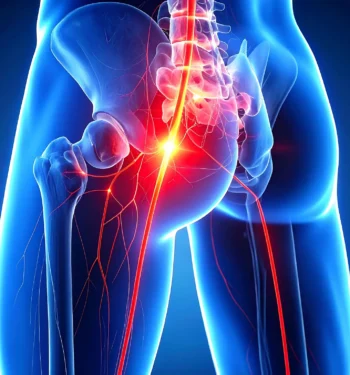
Sciatica occurs when the nerve roots of the largest nerve in the body, the sciatic nerve, become compressed or irritated. Common causes include a herniated disc, bone spurs, prolonged sitting, piriformis syndrome, or too much pressure on the spinal nerves from poor posture or weakened hip flexors. When compression is mild and temporary, many people find relief naturally within a few weeks. In many situations, however, these underlying issues develop gradually over time.
However, sciatica pain that is left untreated for too long, or that stems from a more serious underlying condition such as spinal stenosis, can progress into chronic, harder-to-treat pain. Without appropriate evaluation, sciatica symptoms may slowly and progressively intensify. Severe symptoms, chronic pain, or pain that spreads into the lower leg are signs that you should not rely on time alone to heal.
Certain risk factors can also increase the likelihood that sciatica pain will persist or worsen, including heavy lifting, obesity, long periods of inactivity, prior back injuries, or jobs that require prolonged sitting. If these factors are present, relying solely on time may not be enough to effectively treat sciatica symptoms.
A study published in the British Journal of Anaesthesia (Oxford Academic) examined the natural history of sciatica pain and found that while many patients with a pinched nerve or disc-related sciatica symptoms see improvement, a meaningful subset develop persistent or recurrent symptoms. The answer to “Will sciatica go away without treatment?” is often uncertain. This study underscores the importance of early evaluation.
How Long Does Sciatica Last?
Most acute cases improve with gentle physical activity, good posture, and avoiding too much rest. But if symptoms of sciatica persist beyond a few weeks or repeatedly flare during everyday movement, it may be shifting from acute to chronic. Other symptoms such as muscle spasms, numbness, tingling, or shooting pain down only one leg may also indicate a more chronic issue. To read more about how long does sciatica last and how to speed up healing, read our blog.
What Is Acute vs. Chronic Sciatica?
Acute sciatica pain often improves with conservative care such as physical therapy, muscle relaxants, and activity modification.
Chronic sciatica lasts longer, returns frequently, or progresses despite home care. Chronic cases often stem from herniated discs, bone spurs, spinal stenosis, or other spinal column changes that require a treatment plan tailored to your medical history and lifestyle.
How Do You Calm an Inflamed Sciatic Nerve Root?
Light aerobic exercise, stretching the hip flexors, keeping feet flat when sitting, and maintaining good posture can all help reduce sciatica pain. Physical therapy targeting muscle spasms and core strength is one of the most effective approaches to calming the sciatic nerve. Other treatments recommended by a spine specialist, such as steroid injections or muscle relaxants, may also relieve sciatic nerve pain. Just be cautious: too much rest or long periods of inactivity can worsen inflammation and delay healing.
Is Standing or Sitting Better for Sciatica?
Alternating is best. Prolonged sitting increases pressure on the lower spine, but standing for too long can irritate affected leg muscles. Changing positions frequently, moving gently, and adjusting posture can help you feel pain less intensely throughout the day.
When Should You See a Doctor for Sciatica?
While Goodman Campbell is ready to help anytime, the answer to will sciatica go away without treatment shifts when the following warning signs are present:
- Severe symptoms that interfere with daily life
- Sciatic pain that lasts longer than a few weeks
- Other sciatica symptoms such as numbness, tingling, or weakness in the lower leg
- Symptoms that worsen after long periods of sitting
- Sudden difficulty walking
- Rare cases of bowel or bladder changes, which may signal cauda equina syndrome and require immediate emergency care
How to Test for Sciatica?
A specialist may perform a straight leg raise test to evaluate sciatic nerve irritation. Imaging may follow if an underlying condition is suspected.
For a broader overview of what treatments are most effective, see our guide on the most successful treatment for sciatica.
What Treatment Options Help Sciatica Heal Faster?
Your plan may include a combination of physical activity, physical therapy, targeted steroid injections, muscle relaxants, anti-inflammatory medications, and other treatments tailored to your sciatica symptoms. For severe cases where a pinched nerve or spinal stenosis is confirmed, surgical procedures such as microdiscectomy can relieve pressure and resolve sciatica pain that is unlikely to resolve on its own.
Why Choose a Neurosurgeon for Sciatica Treatment?
At Goodman Campbell, our neurosurgeons complete a rigorous seven-year residency, giving them unmatched expertise in treating sciatica pain, pinched nerve conditions, spinal stenosis, and other sciatica symptoms-causing disorders. Neurosurgeons also receive more specialized spine training than any other type of specialist, allowing us to treat both simple and complex cases, from herniated discs to advanced spinal stenosis.
Our team includes neurosurgeons and interventional pain management physicians who collaborate to deliver comprehensive care. At Goodman Campbell, our patients have direct access to one of North America’s largest, most progressive neurosurgical practices, widely recognized as a global leader in brain and spine care.
We offer efficient scheduling, data-driven treatment plans, and extensive outcomes data that demonstrate our longstanding effectiveness in helping patients find relief from sciatica and other spine issues. Request an appointment to get started.