If you’re experiencing persistent buttock pain that radiates down your leg, you might be dealing with something more specific than typical sciatica. Pain at the sciatic notch often gets confused with other forms of sciatic nerve pain, but understanding where it originates can make all the difference in getting effective sciatica treatment.
Understanding the Sciatic Notch and Its Role in Nerve Pain
In order to understand the sciatic notch and its role in nerve pain, we need to identify what it is and where it is located in relation to nerves. We’ll take a look at what makes sciatic notch pain unique and how to determine when specialized neurosurgical care is needed.
What Is the Greater Sciatic Notch?
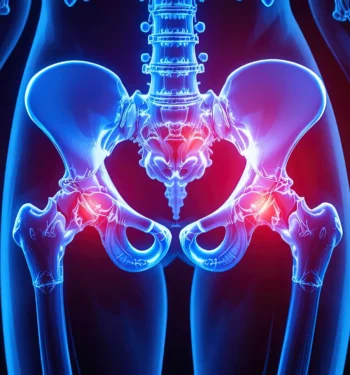
The greater sciatic notch is a groove in the posterior part of the ilium, one of the bones in the pelvis. The sciatic notch acts as a passageway for the sciatic nerve as it exits into the leg. Surrounded by bone, ligaments, and the piriformis muscle, this narrow space can become problematic when nearby structures inflame or shift, leading to nerve compression. Pain often develops when the piriformis muscle tightens or spasms, a condition called piriformis syndrome, or when inflammation, pelvic misalignment, or prolonged sitting irritates the nerve.
What Does Sciatic Notch Pain Feel Like?
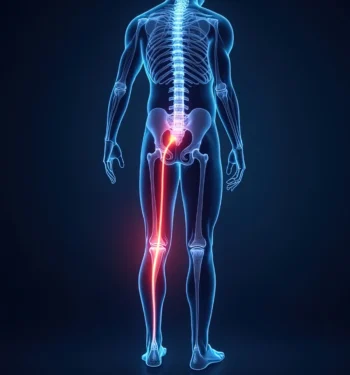
Sciatic notch pain creates a deep ache or burning sensation in the buttocks, usually on one side, and often worsens when sitting on hard surfaces. Many people feel a tender spot deep in the buttocks that hurts when pressed, with pain radiating down the thigh and sometimes into the lower leg. Unlike typical sciatica, which usually comes from spinal stenosis or a herniated disc compressing nerve roots in the lower spine, sciatic notch pain develops after the nerve exits the spine. This form of entrapment outside the spinal column can cause sciatica even when an MRI shows a healthy spine, with tenderness centered in the buttock rather than the lower back.
What Causes Pain at the Sciatic Notch?
The most common cause of sciatic notch pain is piriformis syndrome, where the piriformis muscle becomes tight, inflamed, or experiences muscle spasms that compress the sciatic nerve. Research indicates that piriformis syndrome may be responsible for 0.3% to 6% of all cases of low back pain and sciatica, though many cases go undiagnosed. This condition often develops from overuse, prolonged sitting, or muscle tension from repetitive activities. Direct trauma to your buttock from a fall can also damage tissues around the sciatic notch. In some cases, anatomical variations create a naturally tighter passage at the sciatic notch, making you more susceptible to sciatic nerve compression. Poor posture and pelvic misalignment can gradually increase pressure on this area over time.
Can Tumors or Masses Cause Sciatic Notch Pain?
While less common, tumors or masses near the sciatic notch can cause persistent buttock pain and sciatic pain. These growths might include benign lipomas, cysts, or, rarely, malignant tumors affecting the bone, soft tissue, or nerve itself. When a mass develops in this area, it creates constant pressure on the sciatic nerve that doesn’t respond to typical conservative treatments.
How Do Doctors Diagnose Sciatic Notch Pain?
Diagnosing sciatic notch pain starts with a thorough physical examination where your physician assesses your symptoms and performs specific tests that reproduce your pain. One key diagnostic sign is tenderness with deep palpation directly over the sciatic notch area in your buttock. Because sciatic notch pain can mimic spinal conditions, diagnostic imaging plays a crucial role. An MRI helps rule out herniated disc problems, spinal stenosis, or other spinal cord issues. However, MRI findings of the spine may appear normal when your pain originates at the sciatic notch itself. Diagnostic injections around the sciatic notch can also help confirm the diagnosis by temporarily relieving your pain.
What Are the Treatment Options for Sciatic Notch Pain?
Treatment for sciatic notch pain typically begins with conservative approaches that reduce inflammation and relieve pressure on the sciatic nerve. Physical therapy forms the foundation of treatment, with physical therapists guiding you through specific stretches and exercises that target the piriformis muscle. These exercises help relax muscles, improve blood flow, and restore normal movement patterns. Anti-inflammatory medications control inflammation and provide pain relief while your body heals. Interventional pain management specialists may recommend targeted injections delivering corticosteroids directly to the inflamed area around the sciatic notch.
Is Heat or Cold Better for the Sciatic Nerve?
Both heat therapy and cold therapy offer benefits for sciatica relief, but they work differently. Use ice packs during the first 48–72 hours after pain begins when inflammation peaks. Cold therapy helps reduce inflammation and numb nerve pain. Apply an ice pack wrapped in a towel for 15–20 minutes several times daily. After the initial phase, switch to heat therapy using a heating pad to relax muscles and improve blood flow. Many patients find alternating between hot and cold packs provides the best sciatic pain relief once they’re past the acute inflammatory stage.
When Is Surgery Necessary for Sciatic Notch Pain?
Sciatica surgery may become the best course of action when conservative treatments fail after several months, or if you experience muscle weakness indicating progressive nerve damage. For sciatic notch pain specifically, surgical options focus on nerve decompression by releasing the piriformis muscle or, more rarely, removing masses compressing the nerve. This differs from spinal procedures like microdiscectomy, which address herniated disc problems within the spine.
Experience Expert Neurosurgical Care for Sciatic Notch Pain
At Goodman Campbell, our neurosurgeons, interventional pain management physicians and allied health professionals have extensive, specialized training and experience, allowing us to accurately diagnose both simple and complex causes of nerve pain and develop appropriate treatment plans.
If you’re struggling with persistent buttock pain that hasn’t responded to initial treatments, Goodman Campbell can help. We are a global leader in spine care, and our extensive patient outcomes demonstrate our exceptional results in treating sciatica and restoring function. Schedule a consultation with us to receive an expert evaluation tailored to your specific condition.