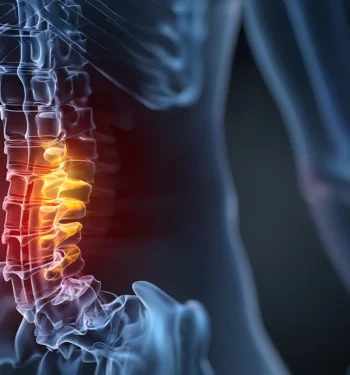
What Is a Herniated Disc and How Does It Cause Pain?
Many patients diagnosed with a herniated disc can find meaningful relief without undergoing surgery. In fact, most spine specialists recommend starting with nonsurgical herniated disc treatment options that focus on reducing inflammation, relieving spinal nerves pressure, and improving mobility. These nonsurgical herniated disc treatment options aim to control painful symptoms while supporting the body’s natural healing process.
Depending on the severity of symptoms, including neck pain, muscle spasms, or radiating pain from the spinal cord — a care plan may combine several therapies to restore function and help patients return to their normal activities. Below are some of the most common nonsurgical herniated disc treatment options recommended by spine specialists.
5 Nonsurgical Herniated Disc Treatment Options
- Medications for Herniated Disc Pain Relief — Pain medications and anti-inflammatory drugs help relieve pain and reduce inflammation from herniated disc pressure on spinal nerves, managing painful symptoms caused by degenerative disc disease or acute injury.
- Physical Therapy for Herniated Disc Recovery — Physical therapy strengthens spine-supporting muscles, improves posture, and reduces spinal nerves pressure, helping patients alleviate pain from herniated disc conditions and regain mobility.
- Epidural Steroid Injections — Reduce inflammation and provide temporary herniated disc relief for spinal nerves irritation, often allowing patients to participate more fully in physical therapy and rehabilitation.
- Activity Modification and Lifestyle Adjustments — Improves posture, reduces strain on the spinal cord, and prevents worsening of herniated disc symptoms including neck pain and muscle spasms.
- Interventional Pain Management Treatments — Targeted procedures to relieve pain from spinal nerves pressure and reduce inflammation without surgery, offering a comprehensive path to herniated disc relief for patients with painful symptoms.
For a deeper look at how these nonsurgical herniated disc treatment options compare to surgical approaches, see our guide on how effective are nonsurgical treatments for sciatica.
How Do Herniated Discs Develop in the Spine?
Discs lose hydration and elasticity with age. Repetitive stress, posture issues, or sudden injuries accelerate this process, leading to tears or bulges that can compress a nerve root and cause severe pain. While some patients never develop symptoms, others require professional evaluation.
What Symptoms Indicate You May Have a Herniated Disc?
Persistent back pain, tingling, weakness, or shooting pain down the leg may signal a herniated disc. Muscle spasms near the affected area are also common. If symptoms interfere with daily activities, seek expert assessment.
When Should You Seek Specialist Evaluation for Disc Problems?
If non surgical treatment fails or neurological symptoms appear, early consultation with spine specialists in Indiana can ensure accurate diagnosis and timely treatment. Goodman Campbell provides direct access to advanced and collaborative spine care and neurosurgery in Indiana.
What Nonsurgical Herniated Disc Treatments Are Available for Herniated Discs?
Most patients benefit from nonsurgical herniated disc treatment options before surgery is considered. Options include physical therapy, activity modification, and epidural injections to relieve pain and reduce inflammation while restoring mobility.
For a deeper look at how these treatments apply to lumbar cases, see the best treatment for a herniated lumbar disc.
How Effective Are Medications for Herniated Disc Pain Relief?
Pain medications and anti-inflammatory agents may ease acute herniated disc flare-ups and muscle spasms, often in combination with physical therapy for longer-term herniated disc relief and improved function.
Supporting research: A review in the Journal of the American Medical Association (JAMA) found that NSAIDs provide modest but statistically significant relief for acute low back pain compared to placebo.
What Role Does Physical Therapy Play in Disc Treatment?
Physical therapy therapists design exercises to strengthen supporting muscles, improve posture, and reduce spinal nerves compression. Consistent physical therapy often provides significant herniated disc relief and helps alleviate pain from painful symptoms.
When Are Epidural Injections Recommended for Herniated Discs?
For persistent nerve root irritation, epidural steroid injections may relieve pressure and reduce inflammation, helping patients better participate in rehabilitation. These injections are a core nonsurgical option for herniated disc management when severe pain limits mobility.
According to a clinical trial in The New England Journal of Medicine, epidural glucocorticoid injections provided short-term improvement in leg pain and function for lumbar spinal stenosis and disc herniation.
How Can Interventional Pain Management Specialists Help?
Interventional pain management physicians at Goodman Campbell deliver targeted treatments to reduce inflammation and pain while monitoring long-term outcomes, ensuring patients receive comprehensive care without unnecessary procedures.
For patients with low back pain and sciatica related to herniated disc conditions, see our guide on lumbago with sciatica treatment options.
How Do Neurosurgeons Evaluate Herniated Disc Conditions?
Neurosurgeons perform detailed histories, neurological exams, and imaging such as MRI scans. This herniated disc diagnosis process pinpoints the source of painful symptoms — including neck pain, muscle spasms, and spinal nerves compression and guides treatment.
What Diagnostic Tests Help Determine the Best Treatment Approach?
Imaging, nerve studies, and functional assessments clarify severity and help determine whether conservative or surgical management is best.
How Do Neurosurgeons Assess Whether Surgery Is Necessary?
Surgery is considered only if conservative treatment fails, neurological deficits progress, or quality of life is severely impaired. Goodman Campbell’s neurosurgeons prioritize patient safety and outcomes.
What Makes Neurosurgical Evaluation Different From What Other Specialists Offer?
Neurosurgeons complete more extensive education and training than orthopedic surgeons, preparing them to treat both simple and complex spine conditions with precision and confidence. In fact, recent neurosurgical residents carried out 260% more spine procedures than orthopedic surgery residents.
When Might Surgical Treatment Become Necessary for Herniated Discs?
Warning signs include increased weakness, loss of bladder or bowel control, or unrelenting pain. In these cases, procedures such as microdiscectomy may provide meaningful relief.
What Are the Warning Signs That Conservative Treatment Isn’t Working?
Persistent or worsening pain, new neurological symptoms, or declining function may signal the need to consider surgical treatment.
How Do Neurosurgeons Determine Surgical Candidacy?
Candidates are evaluated based on imaging, symptoms, and response to conservative care, ensuring surgery is pursued only when truly necessary. In addition, physicians consider a patient’s overall health and presence of comorbidities that might impact their fitness for surgery.
What Minimally Invasive Options Are Available When Surgery Is Needed?
Microdiscectomy, performed through a small incision, provides faster recovery, less pain, and excellent outcomes for most patients requiring surgical herniated disc treatment when nonsurgical herniated disc treatment options have been exhausted.
For patients who need surgery after nonsurgical herniated disc treatment options have been exhausted, see our overview of herniated disc surgery.
How Do You Choose the Right Specialist for Herniated Disc Treatment?
Seek specialists recognized globally for brain and spine expertise. Goodman Campbell, based in Indiana, is home to the most accomplished neurosurgery team in the world, with extensive patient outcomes data that backs up our success rates across all nonsurgical herniated disc treatment options and surgical interventions.
What Should You Look for in a Spine Specialist?
Choose providers with extensive training, proven results, and experience managing both routine and complex spine conditions.
How Does Neurosurgical Training Differ From Orthopedic Training?
Neurosurgeons complete longer, more specialized training, making them uniquely qualified for spinal and neurological disorders. Goodman Campbell is at the center of clinical research and neurosurgery training in the United States.
Why Does Experience With Complex Cases Matter for Simple Conditions?
Specialists skilled in complex cases bring refined judgment and advanced techniques, ensuring safe and effective care even for straightforward conditions.
What Can You Expect During Treatment at Goodman Campbell?
Patients receive a thorough evaluation, clear diagnosis, personalized care plan, and direct access to leaders in neurosurgery. From herniated disc treatment in Indiana to advanced back pain treatment, Goodman Campbell provides compassionate, world-class care across the full range of nonsurgical herniated disc treatment options.
How Does the Evaluation Process Work With Our Team?
Our Goodman Campbell team conducts assessments, imaging reviews, and consultations to design patient-focused treatment plans.
What Makes Our Approach to Spine Care Comprehensive?
At Goodman Campbell, we integrate neurosurgery, interventional pain management, physical therapy, and other specialists, as needed, to ensure coordinated, evidence-based care.
How Quickly Can You Get Scheduled for Consultation and Treatment?
Goodman Campbell offers streamlined scheduling, giving patients rapid access to world-class spine specialists without unnecessary delays.