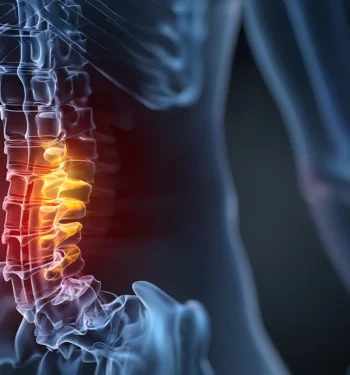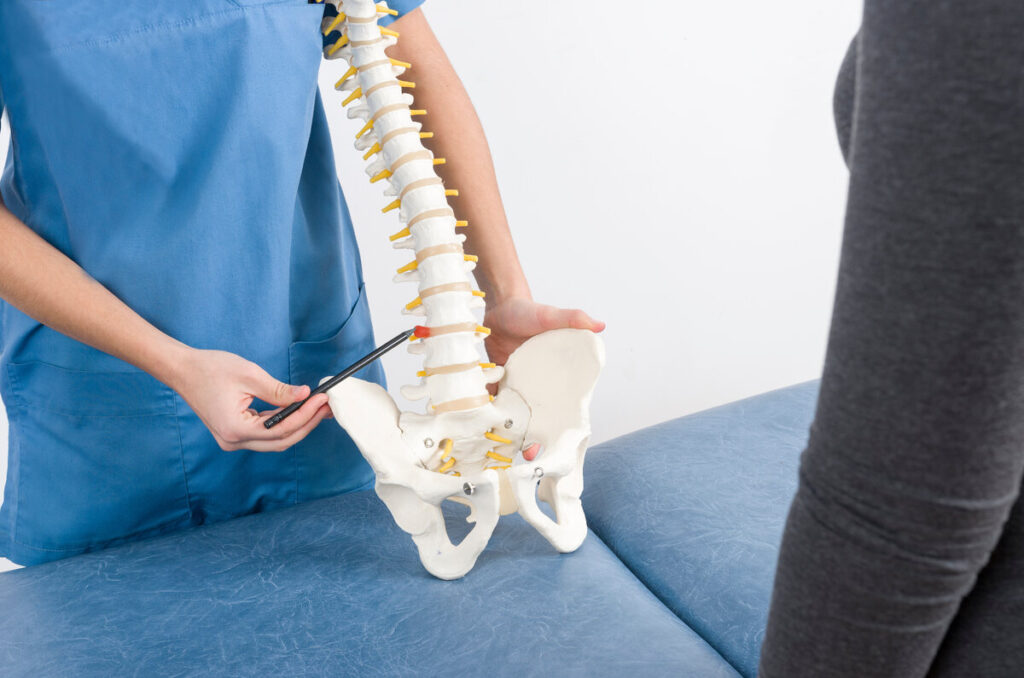
A thoracic herniated disc occurs when the inner material of a spinal disc pushes through its outer layer in the mid-back region. Unlike cervical spine or lumbar spine herniations, which are more common, thoracic disc herniation is relatively rare but can cause significant discomfort. Symptoms may include localized mid-back pain, radiating discomfort, or neurological changes depending on the severity of the condition — often confirmed with magnetic resonance imaging. When they receive a diagnosis, many people want to know: can a thoracic herniated disc heal without surgery? More often than not, the answer is yes — but access to high-quality care is essential.
5 Key Non-Surgical Treatment Methods for a Thoracic Herniated Disc
Many patients asking “can a thoracic herniated disc heal without surgery?” are relieved to learn that conservative treatments are often effective. These approaches focus on reducing inflammation, relieving spinal nerves pressure, and helping the spine heal naturally over time. Spine specialists typically recommend a combination of therapies tailored to the patient’s symptoms, lifestyle, and overall health. Below are some of the most common nonsurgical treatment methods used to support thoracic herniated disc recovery.
- Physical Therapy and Targeted Exercise — Strengthens spine-supporting muscles, improves posture, and reduces spinal nerves pressure, helping patients asking can a thoracic herniated disc heal without surgery achieve meaningful recovery through physical therapy.
- Activity Modification and Rest — Reduces strain on the lumbar spine and thoracic region and allows inflamed tissues around the disc herniation to recover naturally.
- Anti-Inflammatory Medications — Helps reduce inflammation around the spinal nerves and manage pain during herniated disc recovery — a key first step before considering epidural steroid injections.
- Interventional Pain Management Treatments — Includes epidural steroid injections to reduce spinal nerves inflammation and provide temporary relief, allowing physical therapy and rehabilitation to progress in patients wondering can a thoracic herniated disc heal without surgery.
- Posture, Lifestyle, and Spine Health Improvements — Improves daily habits to support long-term healing and reduce stress on the thoracic spine, cervical spine, and lumbar spine, helping patients who ask can a thoracic herniated disc heal without surgery maintain their recovery gains.
What Does a Thoracic Herniated Disc Feel Like?
The most common symptoms of a disc herniation in the thoracic region include mid-back pain that may radiate around the chest or abdomen. Some patients experience numbness or tingling in the torso or lower extremities, affecting spinal nerves that serve those areas. In more severe cases, neurological symptoms such as muscle weakness, difficulty with coordination, or even changes in bowel and bladder function may appear. These are red flags requiring urgent medical evaluation.
It’s also important to understand that symptoms can vary greatly depending on the severity and exact location of the herniation. For some, discomfort may present gradually, while others may experience a sudden onset after an injury or strain. Pain can also worsen with certain movements, prolonged sitting, or poor posture, making daily activities more difficult. Because thoracic disc issues are relatively rare and sometimes mimic other conditions, obtaining an accurate diagnosis from an experienced spine specialist is critical. Recognizing the symptoms of a herniated disc early allows for timely intervention and improved recovery outcomes, helping patients avoid long-term complications and return to normal function.
How Long Does It Take for a Thoracic Disc Herniation to Heal?
Patients’ experiences of healing from a thoracic disc herniation vary widely. With conservative care, many improve within weeks to months, while others may take longer. Age, overall health, and severity of the herniated disc all influence outcomes.
Patients often ask, “Can a bulging disc heal after 2 years?” The answer is yes. In some cases, symptoms may continue to lessen with sustained care and healthy habits. It is important to track progress and pay attention to signs that a herniated disc is healing — such as reduced pain, improved mobility, and fewer spinal nerves-related issues — while working with physical therapy and a personalized care team.
How Do You Treat a Herniated Disc in the Thoracic Spine?
Although most cases of thoracic herniated disc do not require surgery — answering “can a thoracic herniated disc heal without surgery” with a reassuring yes — certain steps should be taken for a proper recovery. Nonsurgical approaches include rest, activity modification, medications, and physical therapy. Interventional pain management physicians at Goodman Campbell specialize in designing personalized care plans that emphasize conservative therapies.
Posture adjustments, ergonomic work setups, and guidance on sleep positioning can make a significant difference. Patients may also benefit from structured exercise programs to strengthen the lumbar spine and thoracic spine muscles, lifestyle modifications such as weight management, and epidural steroid injections for more advanced pain management.
Surgery is reserved for rare cases where symptoms persist or neurological complications worsen. You can access every level of care through comprehensive thoracic herniated disc treatment at Goodman Campbell.
For patients who need surgery after conservative treatment has been exhausted, see our overview of herniated disc surgery.
How To Heal a Thoracic Bulging Disc Naturally
Many people want to know how to heal a herniated disc quickly without surgery. While there’s no overnight fix, self-care plays a major role in recovery. Gentle stretching and strengthening exercises — part of a structured physical therapy program — support the thoracic spine, while a balanced diet and weight management reduce strain on discs. Staying hydrated keeps discs supple, and maintaining good posture lowers the risk of further disc herniation. Monitoring for signs of healing — such as decreased pain and improved flexibility — can provide encouragement.
Understanding whether can a thoracic herniated disc heal without surgery applies to your case requires evaluating magnetic resonance imaging alongside symptoms. Working closely with a healthcare team ensures that natural approaches are safe and effective as part of a comprehensive treatment plan.
Hope for Healing and Next Steps
For many patients, a thoracic herniated disc can improve significantly with nonsurgical care. Recovery requires time, persistence, and partnership with trusted specialists. Patients exploring treatment in Indiana will benefit from spine specialists who provide personalized recovery strategies.
At Goodman Campbell, patients find expert care and compassionate support throughout their journey. If you or a loved one is experiencing thoracic herniated disc symptoms, take the first step: ask your doctor about Goodman Campbell and explore your personalized path to recovery.