When it comes to anterior cervical discectomy and fusion (ACDF) recovery, most patients return home the day of the surgery.
Not only that, but many patients can return to normal desk work within just a few weeks. This means that for many people, their quality of life isn’t disrupted as full fusion takes place (which usually occurs over the course of several months).
This may lead you to wonder: What does ACDF week-by-week recovery actually look like? Below, we’ve broken down what you can expect in terms of a typical ACDF recovery timeline.
(For more information on how ACDF is performed, check out our procedure page here).
What Happens Immediately After ACDF Surgery?
Patients who undergo ACDF surgery are usually discharged from the hospital within 24 hours. Typical symptoms post-surgery can include sore throat, mild swallowing difficulty, and neck stiffness, all of which are normal and expected, considering the nature of the anterior approach. Remember that early discomfort is temporary and shouldn’t be seen as a complication or sign of something serious.
Why Do Some Patients Have Trouble Swallowing After ACDF Surgery?
The anterior approach to cervical fusion surgery temporarily “moves” the soft tissue in the throat and can lead to difficulty swallowing. This brief irritation usually resolves within a week or two for most patients.
What Does ACDF Recovery Look Like Week by Week?
Recovery from ACDF surgery usually follows a predictable process that can be easily tracked across windows of time:
- Weeks 1-2: Patients return home from the hospital and prioritize rest. No driving or lifting over 10 pounds. Walking is encouraged to promote circulation and maintain healthy activity.
- Weeks 3-4: Patients gradually experience reduced discomfort as healing continues. Light daily activities, such as basic household tasks, may resume. The first follow-up appointment is typically scheduled during this window.
- Weeks 6-12: Many patients are cleared for desk work. Physical therapy may begin during this window, as mobility and strength continue to improve.
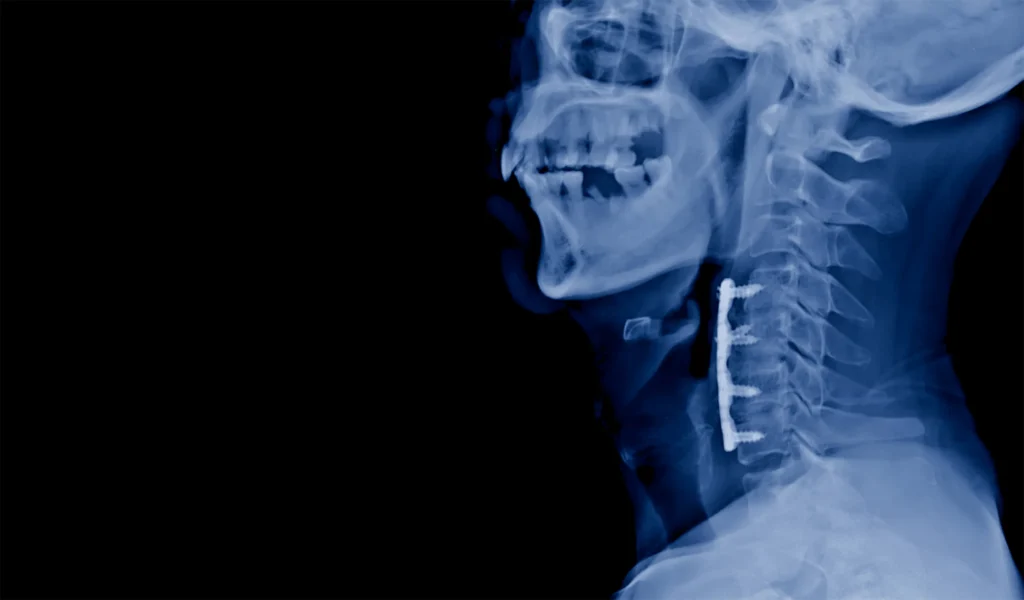
- Months 3-6: Most patients return to full normal activity. Bone fusion will be confirmed by imaging and evaluated by your surgeon.
- Months 6-12: Complete bone fusion solidifies. Nerve healing continues, especially for patients who may have experienced longstanding compression prior to surgery.
While the recovery process can differ for patients, most are surprised by how manageable recovery is compared to what they imagined.
When Can You Return to Work After ACDF Surgery?
Desk workers can generally expect to be returning to work after ACDF surgery within 2-4 weeks. For individuals with more physically demanding jobs, the reasonable expectation is 6-12 weeks or longer, depending on fusion progress and surgeon clearance. Remember: Individual recovery will vary from patient to patient, and while general timelines can help provide an idea of what to expect, your surgeon’s guidance should always take precedence.
What Factors Affect How Long ACDF Recovery Takes?
Multiple variables affect how long recovery can take and why timelines may differ among patients. These include:
- Whether the fusion performed was single-level vs. multilevel: The more levels, the longer fusion timeline patients can expect.
- Patient’s age and overall health: Patients who are younger and in good health usually find that they recover more quickly. Meanwhile, those who are older or living with certain chronic health conditions may experience a longer overall recovery process.
- How long nerve compression existed before surgery: If patients had prolonged compression before undergoing ACDF, they may experience longer nerve recovery.
- Patient adherence to post-op ACDF recovery restrictions: It’s important to follow your surgeon’s instructions and participate in all recommended rehabilitation, both of which can help in reducing setbacks.
- If the patient smokes: Smoking can impair bone fusion and has the potential to result in delays to recovery.
What Are the Long-Term Restrictions After ACDF Surgery?
It’s normal to be nervous about what life might look like after surgery, especially when considering which activities you may or may not be able to continue doing. However, when it comes to ACDF surgery, specifically, permanent restrictions are usually minimal for most patients. These can include:
- Some reduction in neck flexibility. It’s worth pointing out that many patients won’t even notice this, as they’ll already be living with limited movement prior to surgery.
- High-impact contact sports are typically restricted until fusion is confirmed. Once this occurs, most everyday activities — including physical exercise — can resume in full.
- Maintaining various neck-hygiene habits can make a big difference in protecting the cervical spine long-term. For example, patients are advised to avoid prolonged forward neck flexion, e.g., looking down at phones. These are good habits for anyone to practice, but for individuals who undergo ACDF, they are especially beneficial.
Ultimately, it’s smart to view these recommendations not as a list of things that you “can’t do” but rather as solid precautions that will ultimately support a full, active recovery.
Why Does Choosing the Right Surgeon Matter to Your ACDF Recovery?
ACDF is a technically precise procedure performed in a highly sensitive area of the neck, where the spinal cord and nerve roots are located close to the surgical field. Neurosurgeons receive specialized training in the diagnosis and surgical treatment of conditions involving the brain, spinal cord, and peripheral nerves, making expertise in neural anatomy particularly relevant to cervical spine procedures such as ACDF.
Having a neurosurgeon that possesses a depth of expertise is extremely important to ensuring a procedure that is carefully planned and managed, from surgical planning all the way through post-operative care. Neurosurgery training itself is more extensive and specialized than orthopedic surgery, and when it comes to ACDF surgery, the importance of such expertise cannot be understated.
Goodman Campbell is a global leader in brain and spine care, as well as an epicenter for neurological research and training in the United States. Located in the heart of Indiana, we partner alongside our patients every step of the way, ensuring that they have direct access to their care team throughout recovery. With Goodman Campbell, you are guaranteed a team of experienced specialists, not a switchboard, and can rest easy knowing that we’ll be there for you when you need us, whether it’s simply with an answer to a question or personalized guidance.
If you’re interested in learning more about how Goodman Campbell can support you during your ACDF surgery, be sure to schedule a consultation with us or call us directly at 317-396-1300.