For many people living with Parkinson’s disease, tremor, dystonia, or epilepsy, symptoms can gradually begin interfering with everyday life in ways that feel frustrating and exhausting. If you are wondering whether you may be a good candidate for deep brain stimulation, you are not alone. And asking that question does not mean you are “out of options” or pursuing something drastic.
At Goodman Campbell, we help patients understand deep brain stimulation candidacy through a thoughtful, patient-centered evaluation process focused on quality of life, long-term function, and individualized care.
What Is Deep Brain Stimulation and What Does It Treat?
Deep brain stimulation (DBS) is a movement disorder surgery in which thin electrodes are placed in carefully targeted areas of the brain to help regulate abnormal neural activity. In many cases, DBS can support improved symptom control and daily function for people whose conditions are becoming more difficult to manage over time.
DBS may be considered for conditions including Parkinson’s disease, essential tremor, cervical dystonia, epilepsy, and other movement disorders. While DBS is not typically a first-line treatment, it may become an option when symptoms begin meaningfully affecting quality of life despite prior care approaches.
What Are the Signs That You Might Be a Good DBS Candidate?
There is no definitive checklist that determines who qualifies for DBS, but there are several common signs that indicate it may be worth speaking with a specialist, such as a neurologist or functional neurosurgeon.
Many patients considering DBS surgery criteria have a confirmed diagnosis of a condition known to respond well to DBS. Those conditions include Parkinson’s disease and essential tremor. Symptoms often begin to interfere with daily activities such as eating, writing, dressing, or working.
Patients may also benefit from a DBS evaluation process if their condition has progressed to the point where independence or overall quality of life is declining. In addition, good overall health is important, since DBS surgery is performed under general anesthesia.
Equally important are realistic expectations. DBS can help improve symptom control and daily function in many cases, but it is not considered a cure. Part of our role at Goodman Campbell is to help patients understand what improvements may be possible based on their individual condition and goals.
Does Age Matter When Considering Deep Brain Stimulation?
Deep brain stimulation candidacy is not determined by age alone.
Instead, we look at the full picture, including neurological health, symptom severity, cognitive function, and overall medical condition. Some patients in their 70s and beyond may still be appropriate candidates for DBS, while younger patients experiencing significant functional decline may also benefit from evaluation.
Who May Not Be the Right Fit for DBS Surgery?
DBS is not the best option for everyone, which is why a comprehensive evaluation matters.
Patients whose symptoms are currently mild or well managed may not experience enough benefit from surgery to justify the procedure. Significant cognitive decline or dementia may also affect candidacy, depending on severity. Certain medical conditions can increase anesthesia-related risks, and some neurological conditions respond less predictably to DBS than others (such as secondary dystonias that are caused by stroke or infection).
We spend time thoroughly discussing goals and expectations with each patient. If DBS is unlikely to provide meaningful improvement, we will guide patients toward other appropriate care options.
How Do We Determine if DBS Is Right for You?
At Goodman Campbell, we value strong partnerships with referring providers, particularly neurologists, and work closely with them to help determine whether — and when — deep brain stimulation may be an appropriate treatment option. A referral does not mean a patient is committed to surgery. Instead, it provides an opportunity for a comprehensive evaluation and thoughtful, long-term planning.
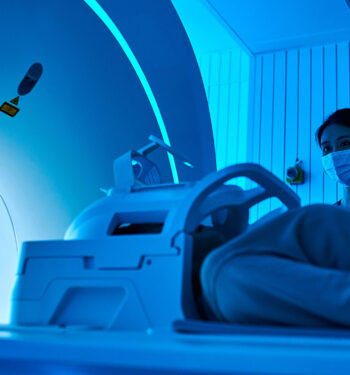
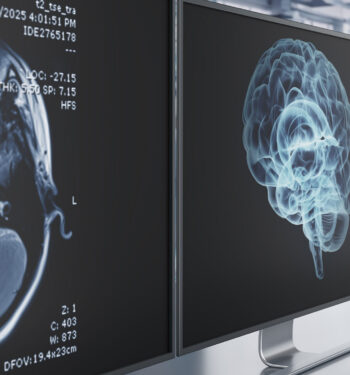
Before surgery is considered, every patient completes a formal candidacy evaluation as part of the multidisciplinary DBS program. This includes an independent evaluation by a neurologist who is separate from the surgical team, providing an important patient-first check and balance in the decision-making process. Testing may include neurological assessments, imaging, and additional health screenings. A specialized MRI of the brain is performed before surgery to support precise surgical planning.
Our deep brain stimulation neurosurgeon team, led by functional neurosurgeon Mark Hoeprich, MD, performs DBS with the patient fully asleep using advanced computer-guided technology. As a global leader in neurosurgery treating patients for more than 50 years, we are proud to help patients pursue safer, more effective care close to home.
If you would like to learn whether DBS may be right for you, we encourage you to request an appointment with Dr. Hoeprich by calling 317-338-9660. today.