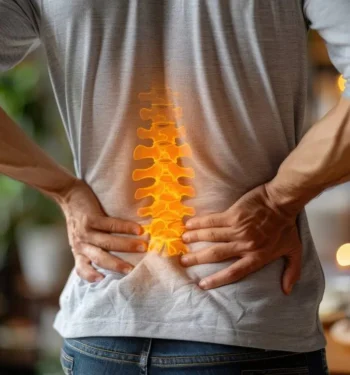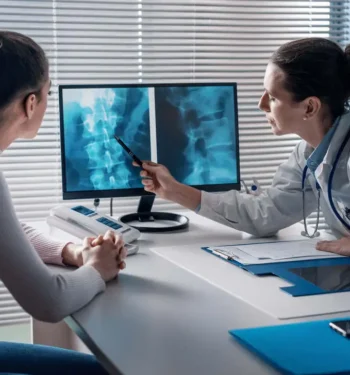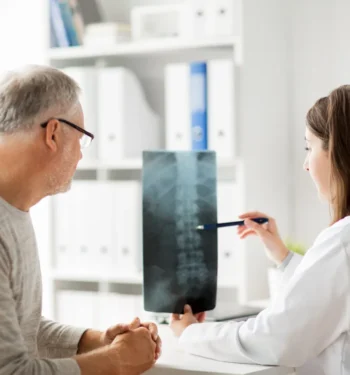
Spinal stenosis is a narrowing of the spinal canal that puts pressure on the spinal cord or nerves. This condition often develops in the lumbar spine and can cause significant symptoms such as back pain, leg weakness, or difficulty walking. The most common level affected is L4-L5 stenosis, where compression can limit mobility and disrupt daily routines. Left untreated, spinal stenosis can negatively affect quality of life, making even simple tasks challenging. For patients seeking care close to home, options for spinal stenosis treatment in Indiana are available through specialized clinics and advanced surgical centers.
What Is the Least Invasive Surgery for Spinal Stenosis?
When symptoms progress, many patients ask, “What is the least invasive surgery for spinal stenosis?” Minimally invasive spine surgery is designed to reduce muscle damage by using smaller incisions, resulting in quicker healing. Common procedures include minimally invasive laminectomy, laminotomy, and foraminotomy, each targeting specific nerve compression points. In some cases, minimally invasive lumbar decompression may be recommended. A care team, often involving a spine surgeon and interventional pain management physician, often guides patients through the decision-making process, ensuring the treatment plan is safe and tailored to individual needs.
What Are the Best Minimally Invasive Procedures for Spinal Stenosis at L4 and L5?
For patients with lumbar stenosis — particularly at L4-L5 — there is no one-size-fits-all procedure. Minimally invasive spine surgery L4-L5 techniques that may be effective include a minimally invasive lumbar decompression, which can relieve nerve pressure. Alternatively, procedures such as laminectomy, laminotomy, or foraminotomy may be selected depending on the severity and exact location of narrowing. In cases of spinal instability, minimally invasive lumbar fusion provides added stability and improved function. There can be a range of treatment options, and each patient’s treatment plan is specifically tailored for them with the best possible outcomes in mind.
Patients often ask, “What is the best treatment for spinal stenosis at L4 and L5?” The answer depends on their overall health and goals. With collaboration often involving the expertise of spine surgeons, interventional pain management specialists, physical therapists, and other healthcare professionals, each plan can be customized for optimal results.
What Is the Gold Standard Surgery for Spinal Stenosis?
Often considered the gold standard surgery for spinal stenosis, lumbar decompression relieves pressure on the spinal cord and nerves. Traditionally, this procedure was performed as open surgery, but today many patients benefit from a minimally invasive laminectomy, which offers less disruption to tissue and faster healing.
An important question to ask is, what is the success rate of minimally invasive spine surgery according to research? Studies consistently show that the success rate is high, with strong outcomes across many patient groups. Many patients experience not only significant pain relief but also improvements in mobility, independence, and overall quality of life. Recovery tends to be faster compared to traditional open surgery, with fewer complications and a quicker return to normal activities. At Goodman Campbell, these come to life through our robust patient-reported outcome measures data. We take outcomes seriously, with a team dedicated to acquiring these data points. Powerful recovery stories also highlight how our patients have been able to get back to the things that matter most — work, family, or favorite hobbies. Each patient success story at Goodman Campbell underscores the renewed sense of hope that advanced spine care can provide.
Minimally Invasive Spine Surgery: Cost, Recovery, and What You Can Expect
Patients often ask, “What is the cost of minimally invasive spine surgery?” The answer varies depending on the type of procedure, the surgeon’s expertise, and insurance coverage. In general, however, the cost of minimally invasive spine surgery directly reflects the complexity of care and hospital resources. Recovery is often quicker compared to traditional approaches, allowing patients to return to daily activities sooner.
Understanding patient expectations — from post-operative care to physical therapy — is essential. At Goodman Campbell, patients receive comprehensive support throughout their journey to recovery.
Take the Next Step: Your Journey to Recovery Starts Here
Living with spinal stenosis can be overwhelming at times, but you are not alone. Countless patient stories highlight how hope and healing are quite possible. At Goodman Campbell, we deliver care through a team-based approach, ensuring every patient has the resources they need. If you’re ready to take the next step, ask your doctor about Goodman Campbell and discover a path forward built on expertise, support, and proven patient outcomes.